
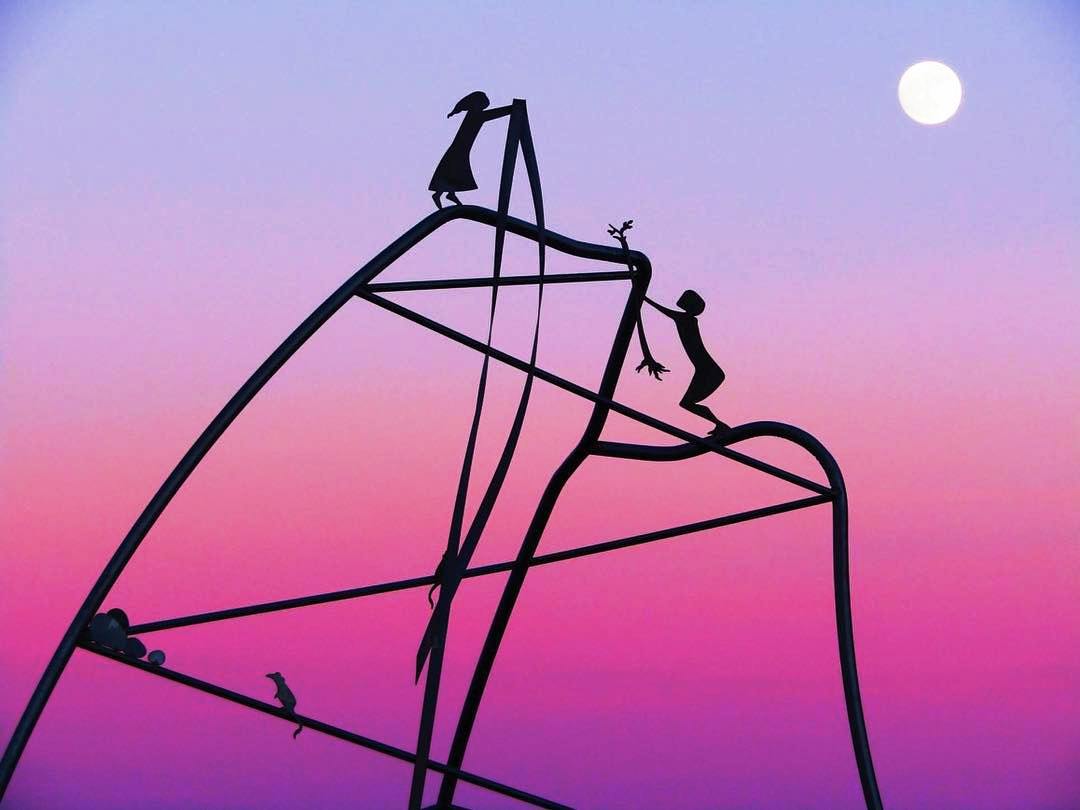
Grazia & Maria, the revolutionaries
They fight prejudices and shake up the canons of modern literature and contemporary art; they are sister souls, of few words, great thought and many dreams. Petite and delicate, they are reminiscent of the mythical janas (fairies) and, like them, they emanate powerful and enchanted energies, giving voice to the women of the deepest Sardinia and to the poetry of their native places, Barbagia and Ogliastra. Here you can find Maria Lai's greatest works, in the Ulassai countryside, along the mountain paths towards the miracle of nature that is the su Marmuri cave and inside the village, alongside those of international artists who wanted to celebrate her creative genius by marking her places with their art. Maria Lai will pay the same tribute to Grazia Deledda by installing her latest work in Nuoro, a few steps from the Chiesa della Solitudine church where the only female Nobel Prize winner for literature rests. Andando via (‘Going away’) is a journey through the life-filled silences of Deledda's women, through places inhabited by myths and millenary legends, a poetic world that has nourished the artistic sensitivity of both.

Cagliari en plein air
Outdoor fitness circuits in the parks and nature reserves in the heart of the city, cycle paths and pedestrian routes running for kilometres along the seafront from the historic centre to Poetto beach, where cars are off limits. These are outdoor gyms where the light is intense and the heat is comforting, where the air is good and smells of salt and Mediterranean maquis. Breathing deeply during outdoor activities restores mind and body, feeling the wind on your skin and the sound of the surf in the background is an amazing feeling of well-being. After aquagym and yoga sessions by the sea, sailing in the Golfo degli Angeli (‘Gulf of Angels)’, running in city parks and hiking in nearby forests, what could be better than savouring the tastes of Sardinia? Yes, you can find the best cuisine here, as Gambero Rosso says, in Cagliari you can eat well and healthily. The dinner tables reflect the memory of traditional know-how and the pursuit of the good and the genuine, ranging from typical trattorias to starred restaurants and delicious street food that does not shy away from traditional dishes.

Supramonte di Baunei, on the roof of the world
Look around you, you can already sense it as you climb the Golgo di Baunei plateau, from which the Supramonte stretches out. The landscape depicts primordial nature, where the archaic soul of Sardinia lingers: there is the abyss of su Sterru, an extremely deep and mysterious funnel-shaped karstic well next to the circle of nuragic stones that surround the piscinas, the natural basins that collected water for ancient rituals. There are domus de Janas hidden among the greenery and nuraghi in the hills overlooking Golgo and the village. These places, which have escaped the hand of man, stir the soul and fascinate in an atmosphere of enchantment and wonder. But that's just a prelude to what awaits you as you walk into the codula di Sisine, the underground river bed that rises to the mouth of the beautiful beach. The route is easy, with a gentle gradient, and leads to the sea, taking in all the beauty encountered along the way: limestone cliffs jutting skywards, canyons, caves, ravines and ridges covered with juniper trees and Mediterranean maquis, ancient sheepfolds, wild animals and a few shepherds.
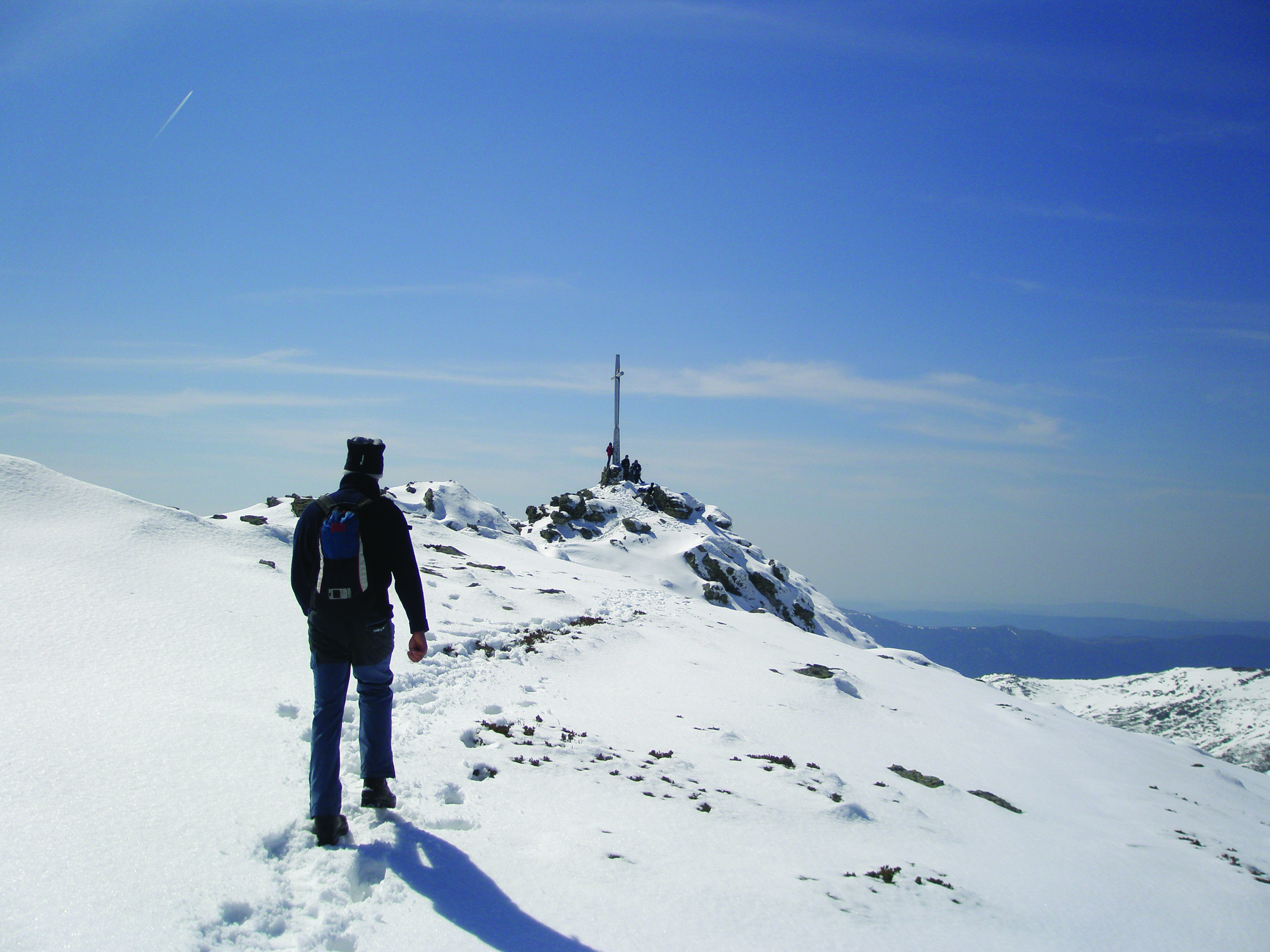
A sea of white
A snow-covered Sardinia enhances the magical atmosphere poetically described by Nuoro-born writer Grazia Deledda. The villages of the Barbagia regions maintain the charm of yesteryear’s authentic mountain villages. There are no crowded ski resorts and the few artificial lights filter the bright blankets of stars. These are the skies celebrated in the pages of writers, in the poetry of shepherds and in the heart-rending traditional songs. These villages are surrounded by superb natural settings and many of them are painted with extraordinary murals, while in the surrounding areas there is always an archaeological site to visit. The best way to experience these places is among the hospitable and welcoming locals, by participating in the life of the community, visiting the artisan bread and pastry shops, enjoying the simple and tasty dishes and sipping some Cannonau wine. Not bad, between one snowshoe run and another.

The sweet flavours of the festive season
The typical breads and cakes prepared in Sardinia for Christmas have always been a symbol of festivities and celebrations, and are richly flavoured jewels, always different from one village to another. In the Logudoro bakeries, su bacchiddu 'e Deu, a stick-shaped bread reminiscent of a bishops' crosier, and sa pertusitta, a flatbread decorated with relief images of shepherds and sheep, are prepared. The taste of sa tunda, a round bread from Oristano, is enriched with walnuts and sultanas. In Ogliastra, there used to be an ancient custom that returns every now and then: gifting loaves of bread in the shape of a heart, a star or a baby. Originally from the Nuoro area, nowadays baked all over the island, is su pani cun gherda, i.e. with pork crackling. There is a cake that was once only for Christmas but is now so good that for decades it has been prepared all year round: torrone di Tonara (nougat). It has no sugar, just a base of honey melted over a low heat in a copper pot and stirred for hours, with the addition of almonds, hazelnuts or walnuts.
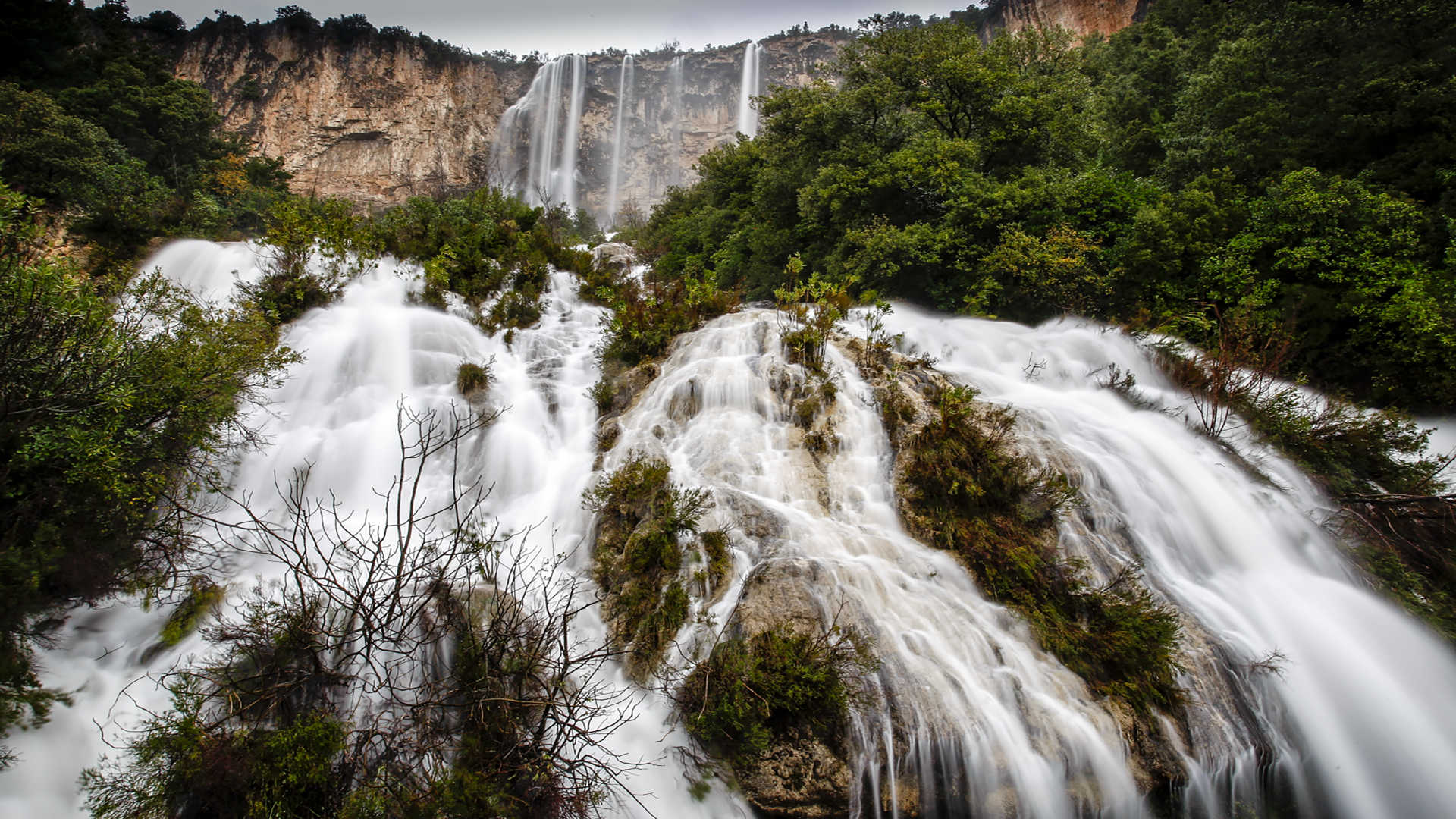
Waterfalls of pure water
On an island of ancient volcanoes, Montiferru was the largest. Today it is an immense basalt plateau furrowed by rushing waters, which on the border between Bonarcado and Santu Lussurgiu give way to the enchanting waterfall of sos Molinos. Underground currents rise to the surface in the hamlet of San Leonardo, within the forest of the same name, with the purest and most mineral-rich springs of Siete Fuentes. The waters of Montiferru also feed the Salighes stream, a quiet torrent that is the star of a phenomenon like no other in the world: it plunges directly into the sea from the cliffs of Cuglieri. The waterfall is called s'Istrampu de Capu Nieddu, a thunderous 40-metre drop that is even more impressive when heard from the sea. Further south, in the Medio Campidano, there is Mount Linas with the oldest rocks in Europe, a primordial land with few signs of human interference and populated by deer, foxes and wild boar. The peace of its forests is disturbed by the roar of three grandiose waterfalls: sa Spendula cuts through the forest like a blade, in the words of D'Annunzio, Piscina Irgas plunges 45 metres into a distinctive emerald-green lake and Muru Mannu, one of the highest in Sardinia, surrounded by a scenic amphitheatre

Walking around Gallura
Follow it to the tops of the hills overlooking the famous coastal resorts of Gallura, from which you can see the Maddalena archipelago, Tavolara and the islets that dot the sea. The routes inland are sometimes challenging, and should be tackled with a guide, but most are suitable for all hikers, just follow the signs. Others are gentle hikes, skirting the sea and leading to places where the spirit of Gallura's countryside is overpowering. The most iconic in Santa Teresa Gallura is a circular route on the promontory of the Capo Testa lighthouse, where the Mediterranean maquis gives way to a labyrinth of majestic granite sculptures artfully carved by the wind, reaching as far as the sea and creating bizarre shapes in the coves of seven valleys surrounded by natural caves carved into the rocks. One of them is the Valle della Luna (Moon Valley), inhabited by a hippy community, an unusual place that is bound to stir up emotions, some of them conflicting, but it is for certain that, in these lunar valleys, the boundless beauty of Gallura is the master.
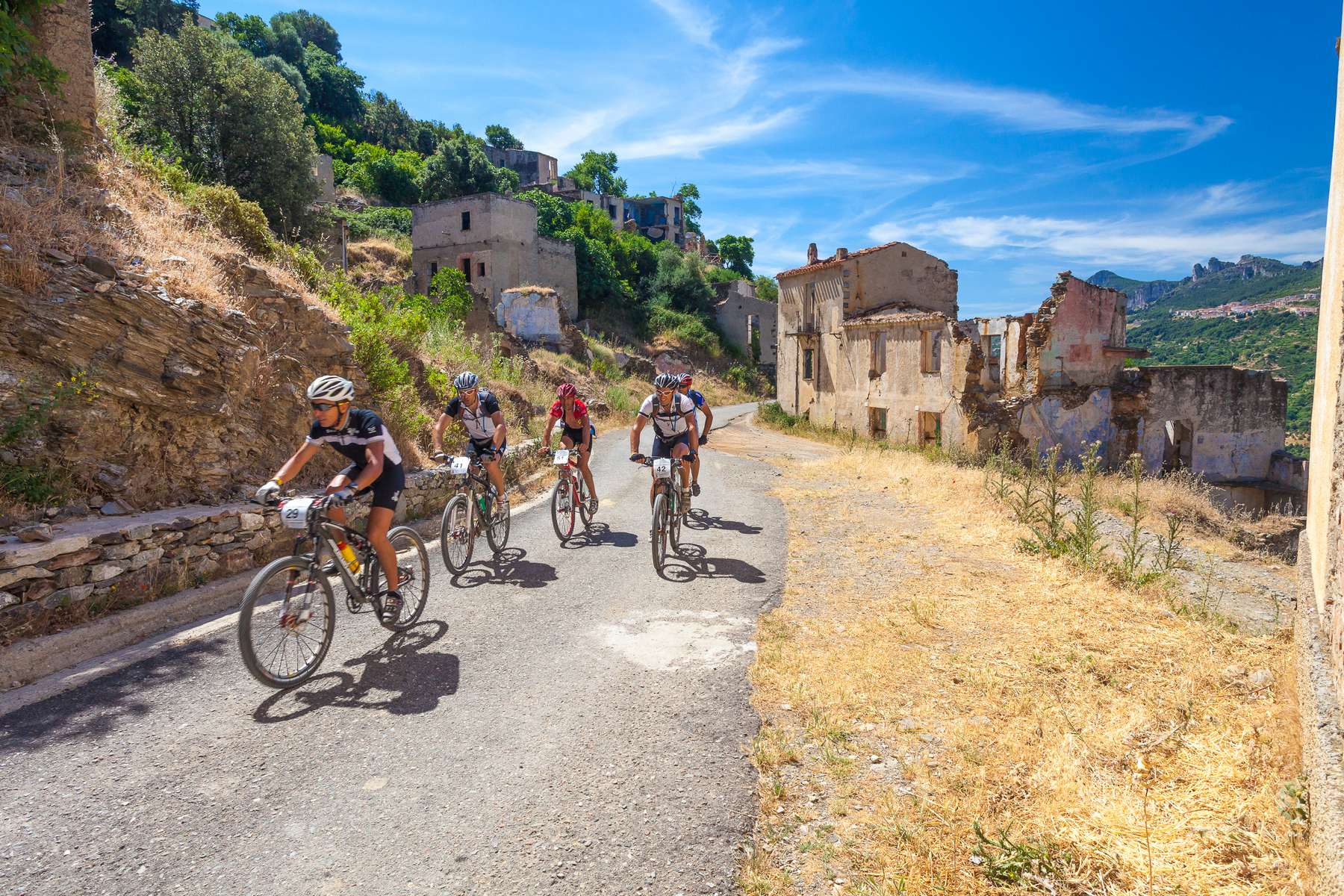
Villages lost and found
From the heart of Ulassai, the 'Maria Lai trail' climbs up the mountain to the sa Tappara canyon, its walls an incredible natural gym with more than a hundred free-climbing routes, some easy for beginners, others loved by experienced climbers. The canyon opens out onto the Padru valley, and from its opposite sides you can see the ghost towns of Gairo and Osini, overwhelmed by the common fate of their abandoned houses, made fragile by landslides and mudslides after days of incessant rain. Then came the slow exodus to safer shores, but nostalgia drove the villagers to return to the old houses to take care of the gardens and vegetable plots. More than half a century has passed since then, and the irises and calla lilies are still blooming, climbing roses cover the dry stone walls, the trees continue to bear fruit as a reminder of the life that once was and that will perhaps return. In old Osini some of the houses have been restored and the bell of the renovated church occasionally rings in the valley.
The sea is bluer and bluer
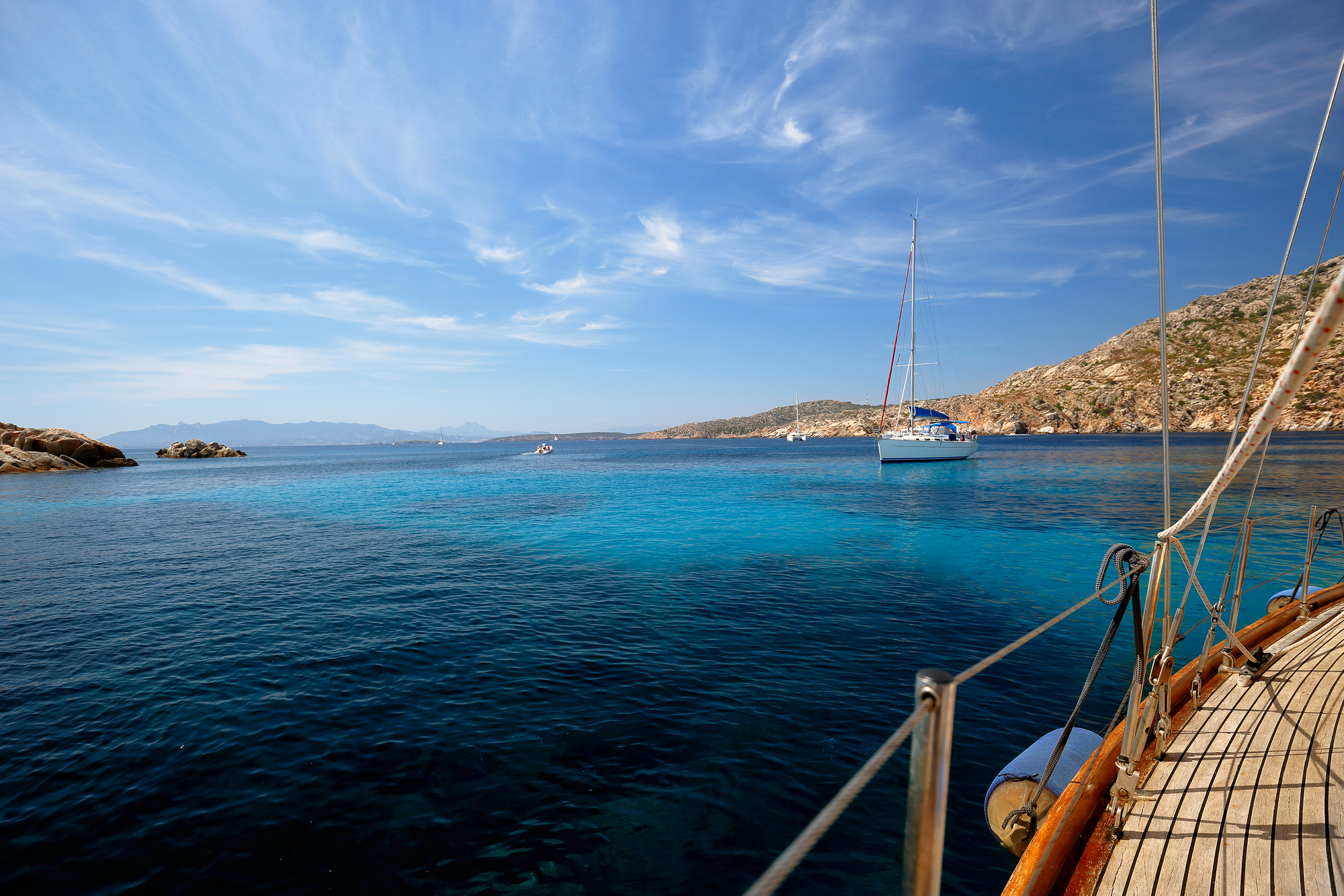
So many corners of paradise, which are wild and difficult to reach, and cannot be classified, not because of their limitless beauty, but literally because they cannot ensure, because of their very nature, the requirements and services asked for by the Foundation for Environmental Education. Sardinia's blue flag beaches make it unmistakeably, undeniably, the island of fabulously clean and crystal-clear seas and put it right at the top of everybody's summer holiday options. But it also pays attention above all to sustainability and environmental protection, services and safety, education and information on respecting coasts which are unpolluted for long sections. The recognition given by the FEE, which comes after a very strictly controlled selection process, has been awarded to 58 Sardinian beaches, located across sixteen municipalities. From north to south, it is a celebration of the entire Sardinian coastline.
At sailing school
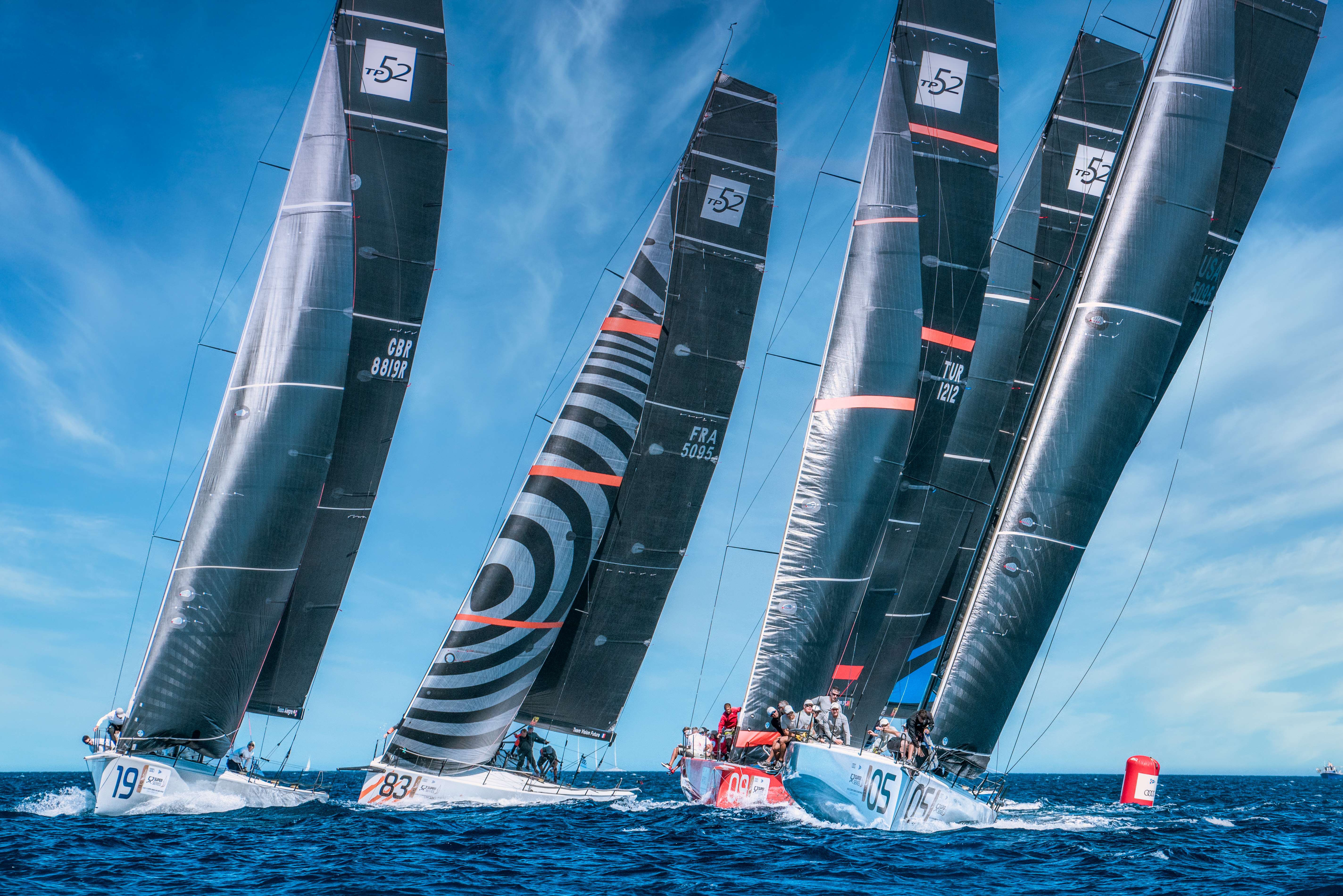
Take note: sailing schools are reopening safely. There are only a few lessons on land, as sailing is taught on board. You soon learn, hands-on, how to steer boards and sails, from the easiest to manoeuvre to the most demanding, from the agile 'single-seater’ laser sailboat, wind and kite surfing boards, to boats with movable centreboards, where bowman and helmsman work in unison with daring bowlines and acrobatic trapeze harness sailing, and romantic cruise boats. As soon as you reach the sea, you will learn to listen to the atmosphere around you spontaneously and, as if by magic, an intimate physical bond is created with the sea and the wind, a relationship that is difficult to break.
All you need to do now is choose where to learn to ‘go sailing’. There are plenty of schools along the Island’s coasts, from the gulf of Cagliari to that of Asinara, from the gulf of Orosei to that of Oristano, from the Maddalena Archipelago to the islands of Sulcis and from the Gallura coast to the Riviera del Corallo. You can find them close to the most frequented beaches and in nautical clubs based in ports and tourist landings. If you are ready for a full immersion experience, the most prestigious sailing centres are at your disposal. Find your ideal school. It is worth trying your hand at the oldest form of navigation, the most poetic one, the one most in harmony with the Sardinian sea: it will be the most exciting part of your holiday!