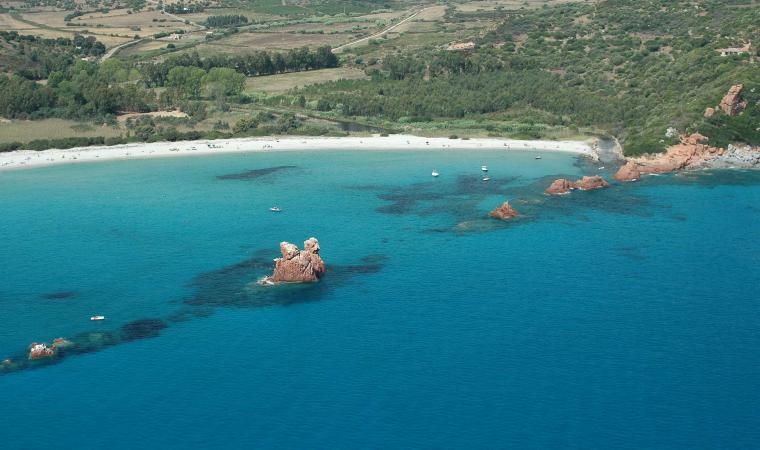
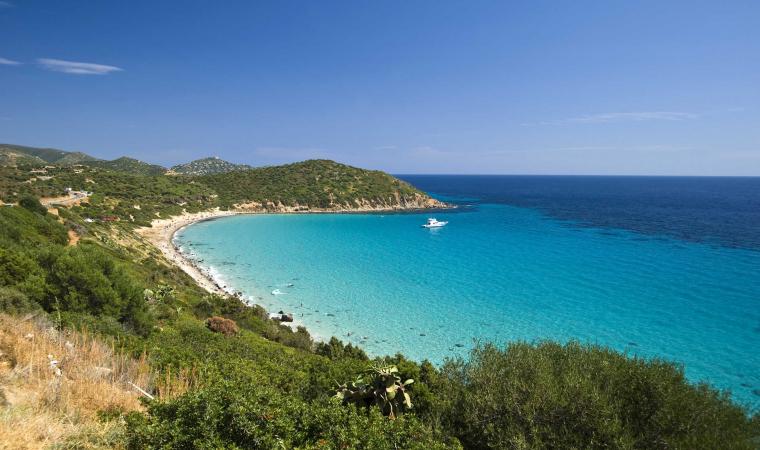
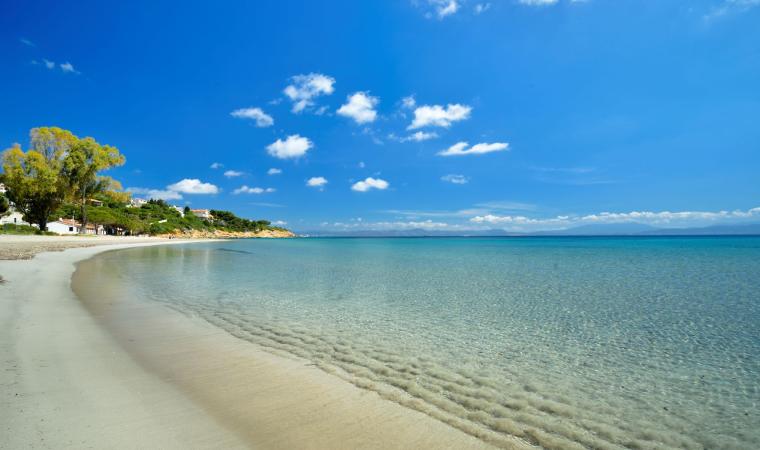
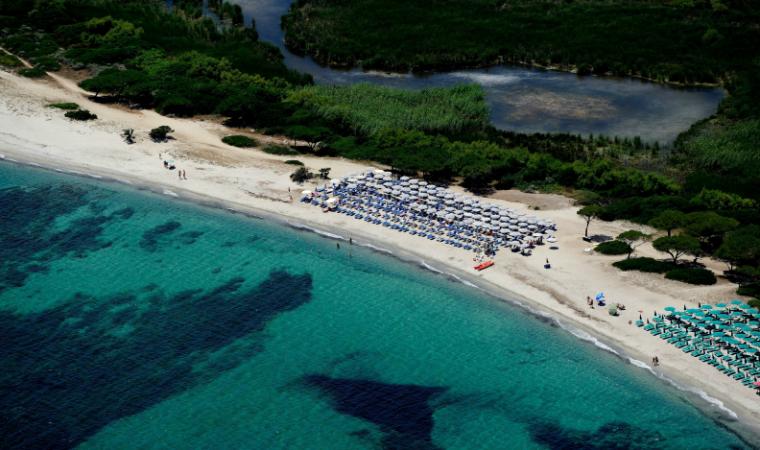
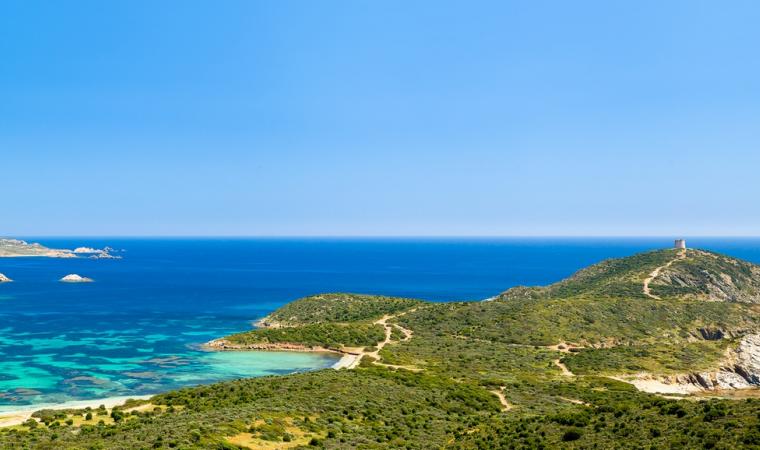
The sea is bluer and bluer
The Island embraces the protection of beauty: 17 Sardinian Municipalities awarded
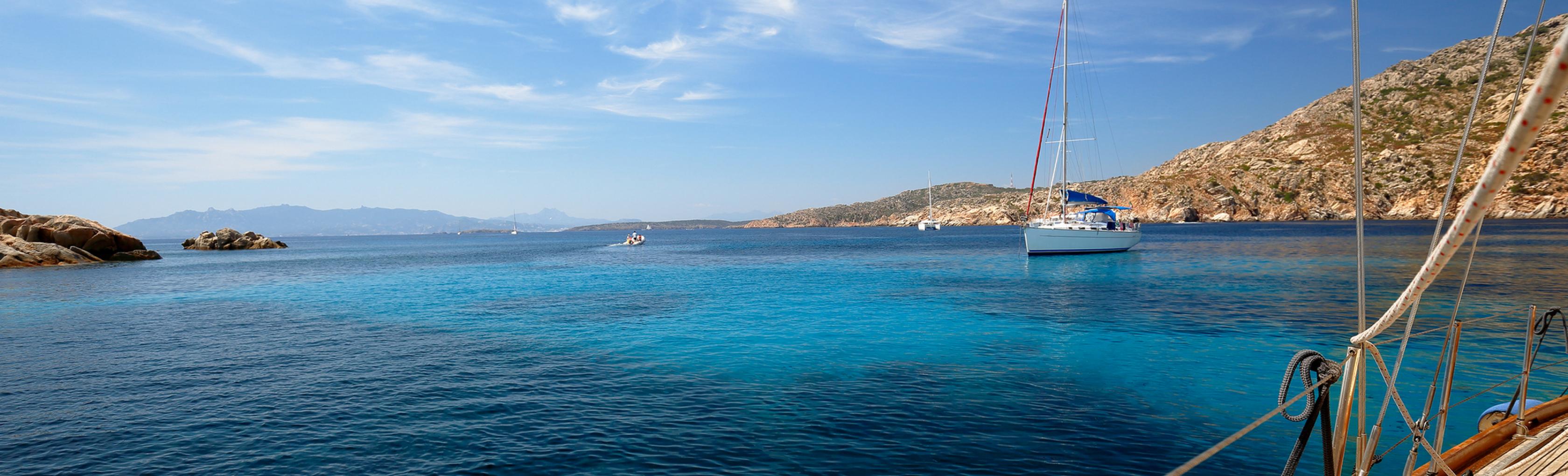
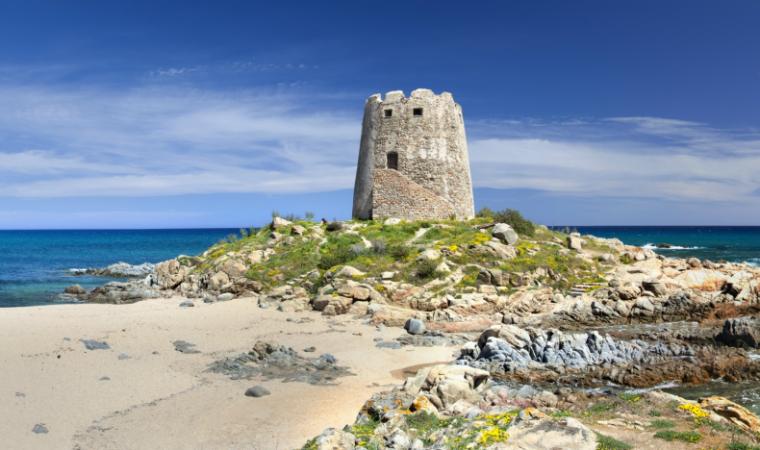
So many corners of paradise, wild and difficult to reach, cannot be classified — not because of their limitless beauty, but because they literally cannot ensure, by their very nature, the requirements and services asked for by the Foundation for Environmental Education. Sardinia's Blue Flag beaches make it unmistakeably, undeniably, the island of fabulously clean and crystal-clear seas, putting it right at the top of everybody's summer holiday options. But it also pays attention above all to sustainability and environmental protection, services and safety, education and information on respecting coastlines which are unpolluted for long stretches. The recognition given by the FEE, which comes after a very strictly controlled selection process, has been awarded to over sixty beaches, located across 17 municipalities — a celebration of the entire Sardinian coastline. From north to south: from Trinità d'Agultu - Vignola, with Cala Sarraina, La Marinedda and Spiaggia Lunga — jewels of the seaside village of Isola Rossa — to Quartu Sant'Elena, which confirms its flag on the town beach of Poetto — shared with Cagliari — and at Mari Pintau, 'the painted sea', a name that is a prelude to the spectacle it offers. From east to west: from the celebrated Torre di Barì and the lesser-known Bucca 'e Strumpu and Sa Marina at Bari Sardo, to the wide and welcoming Torregrande in Oristano. The 2026 new entry is Teulada, celebrating its first recognition with the enchanting Tuerredda, Porto Tramatzu and Is Arenas Biancas.
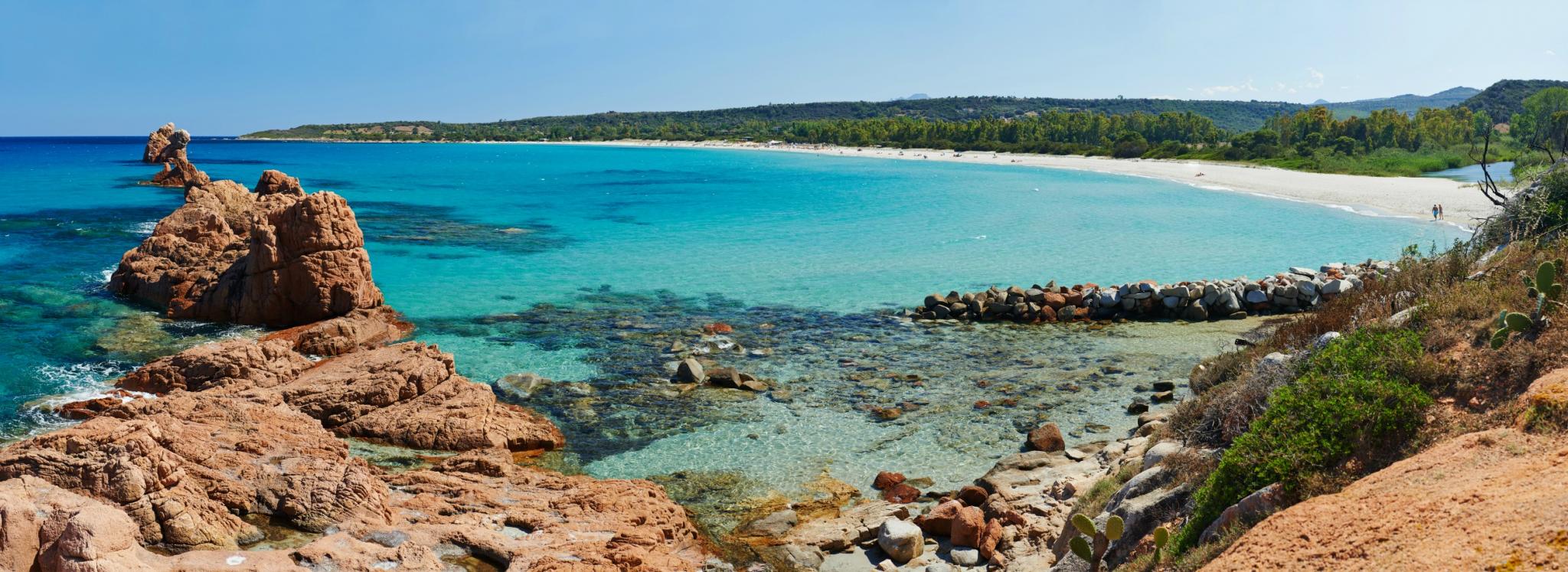
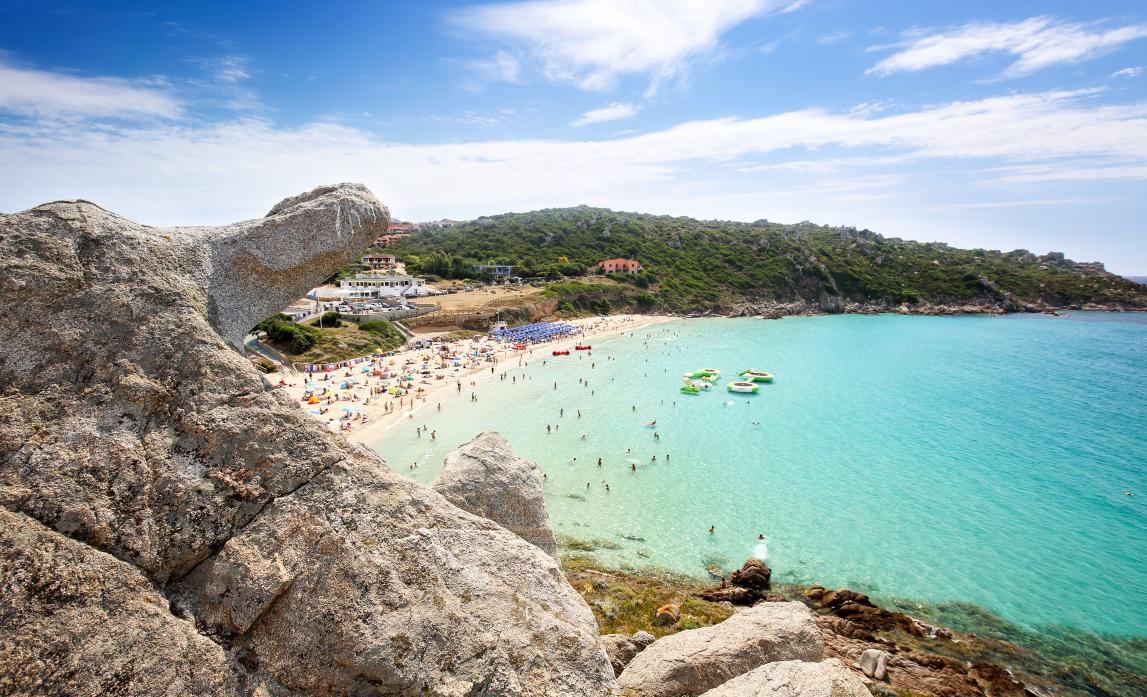

A great many of Sardinia's Blue Flag beaches lie in the north of the island. On its extreme northern tip there is a stretch of sea worthy of a magazine cover: the long coastline of the seaside municipality of Santa Teresa Gallura, boasting six beaches that have won the award year after year — Rena Bianca, a jewel of a town beach; three beaches at Capo Testa: Rena Ponente on the western 'neck' of the promontory, La Taltana and the beautiful Zia Culumba; and further along, the Marmorata and Conca Verde. Heading north-east, we find the two Blue Flag beaches of another famous tourist destination, Palau — flying at the Isolotto and at Palau Vecchio, close to the picturesque Trenino Verde station. Opposite, the national park of the Maddalena archipelago stands out as a paradise of environmental sustainability and biodiversity. In the two largest islands of the archipelago, no fewer than twelve splendid beaches have received the FEE award: Bassa Trinità, Monti d'à Rena, Carlotto, Nido d'Aquila, Lo Strangolato, Cala Lunga, Punta Tegge and Cala Spalmatore at La Maddalena; the Due Mari beach, Cala Garibaldi and the Relitto beach at Caprera; and the Spiaggia del Pesce on the island of Santo Stefano. Aglientu welcomes back Vignola Mare and confirms Rena Majore and Lu Chiscinagghju, while Budoni with its wonderful bay also keeps its flag. San Teodoro confirms its award at La Cinta.

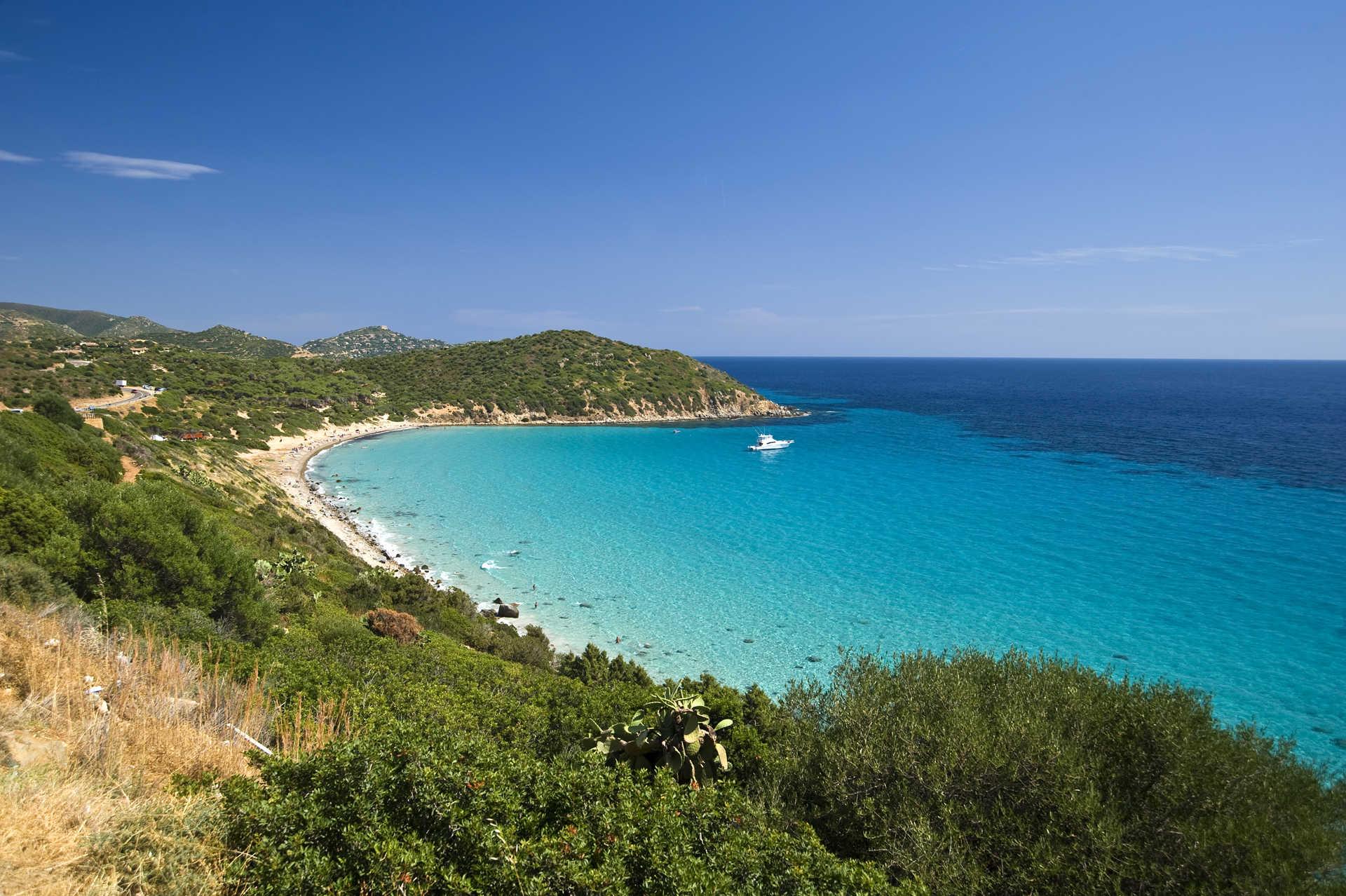
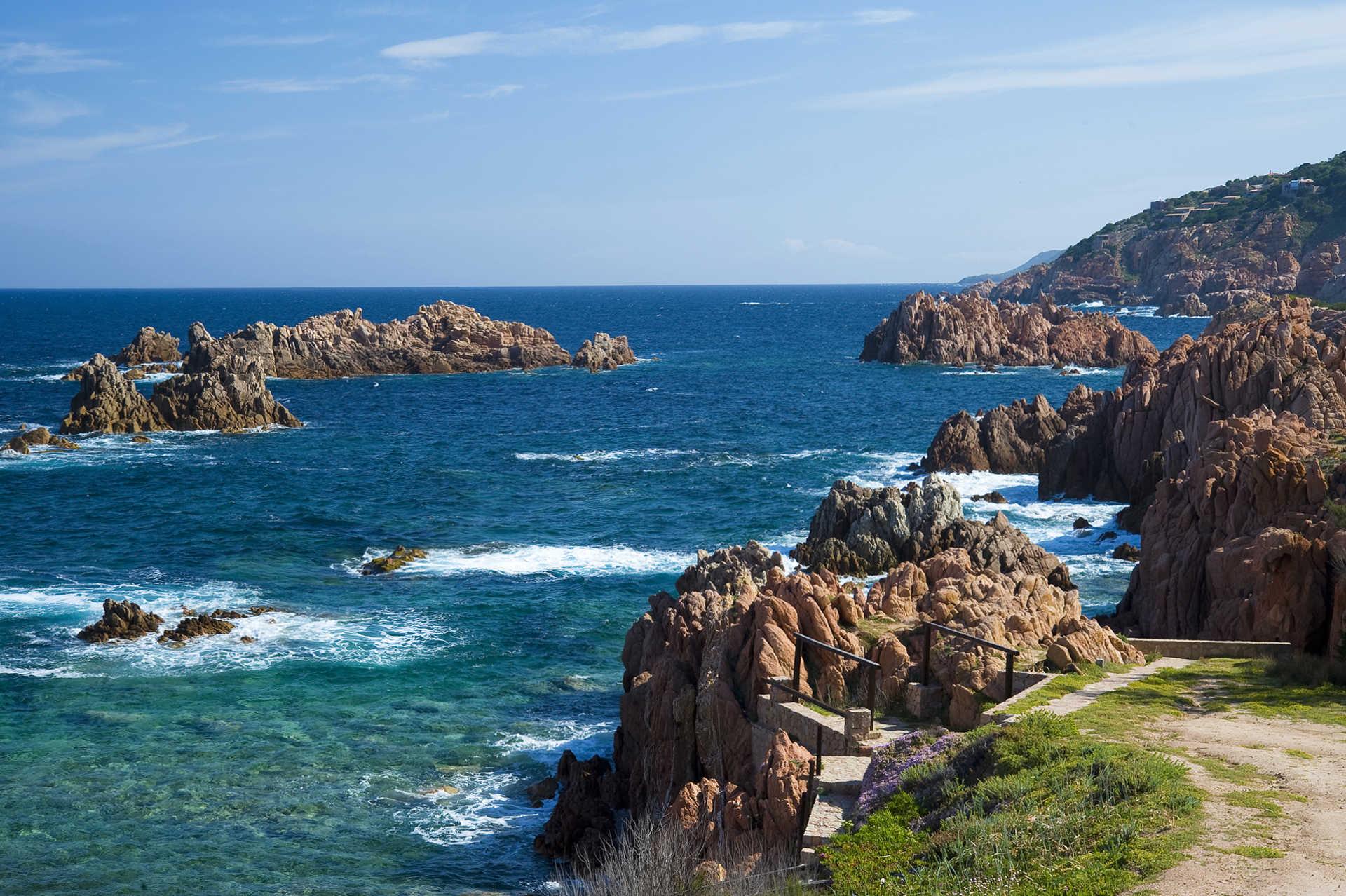
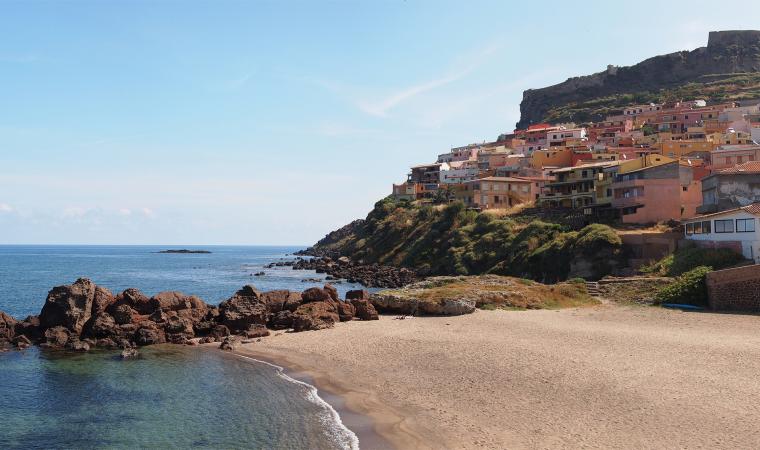
There are two selection processes behind the award of the Blue Flag: one by an international jury, another from a national committee made up of the Environment, Culture and Tourism Ministries, harbour authorities, ISPRA, ANCI and the relevant institutions. Four years of analysis and comparisons precede the final choice — and it is never a definitive one: winning the recognition is hard work, keeping it over time is even harder. They have managed to achieve exactly that not only across the Gallura, but also in the Anglona, along the Gulf of the Asinara. To the west of the Costa Paradiso, the magnificent coastline of Badesi stretches out, flying the 2026 Blue Flag in four sections: Li Mindi, Li Junchi, Lu Poltu Biancu and the Baia delle Mimose, in the area known as Pirotto Li Frati. Heading westwards, we reach one of the most beautiful villages in Italy, Castelsardo: here the coveted flag flies over the Stella Maris and Ampurias beaches, as well as the stretch near the former Palazzo degli Americani in the village of Lu Bagnu. In the Sassari area, three sections of the Marina di Sorso and the adjacent Platamona seafront confirm their status as symbols of environmental quality and protection, while on the north-western side of the Sassari territory, Porto Palmas — near the Argentiera — and Porto Ferro, a paradise for surfers and an 'official' destination for naturists, also keep their flags flying.

The FEE's assessment of water quality, based on continuous monitoring, is more stringent than national regulations require. Once the healthiness of the sea has been assessed, checks on water purification come into play, alongside recycling, the presence of green spaces and pedestrian areas, cycle paths and street furniture, as well as accessibility services. These requirements are fully met by the seas of southern Sardinia — starting with Sant'Antioco in the deep south-west, thanks to the beautiful Maladroxia and Coaquaddus. Then in the Gulf of Angels, particularly along the Quartu coastline, with Poetto and Mari Pintau. To the east, in Ogliastra, the undisputed star of the 'blue sea' is Tortolì, with no fewer than eight award-winning coastal sections: the beautiful Porto Frailis; the Ponente beach (known as 'La Capannina'); two sections of the vast Lido di Orrì; the Golfetto beach (also known as Cala Ginepro); Foxilioni; San Gimiliano; Cala Moresca; and finally the incomparable Cea, on the border with the territory of Bari Sardo, where the Blue Flag now flies in four adjacent sections: Bucca 'e Strumpu — Torre di Barì — Sa Marina — and Planargia.