Sardinia unveils its architectural treasures
Monumenti Aperti ('Open Monuments') 2026 enlivens spring and fall weekends with art, culture and authenticity
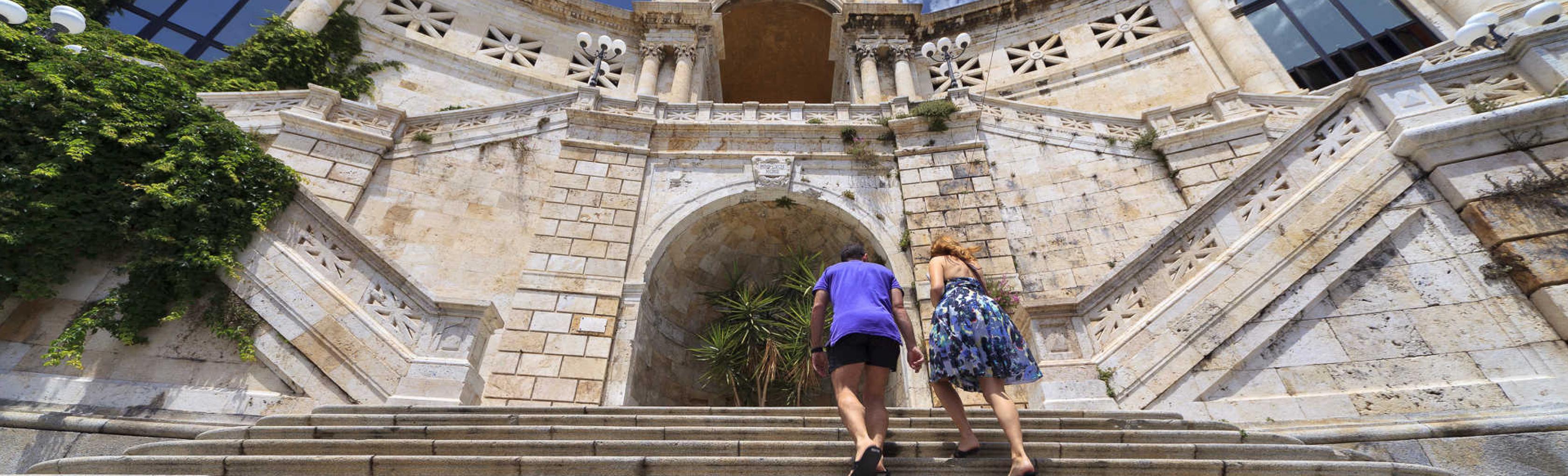
Artistic magnificence, shared memory, identity and a sense of community: this is the most encompassing effort to safeguard, enhance and promote the cultural heritage of Sardinia. The 2026 edition marks a milestone — its thirtieth anniversary — and, just like previous years, unfolds across two seasons spanning fourteen weekends:the first phase runs from 18 April to 21 June, the second from late September through November. Hundreds of cultural sites will open their doors during this time, such as museums, archaeological sites, churches and historical buildings, natural monuments and parks. Each community tells its own story through literary trails and explorations of urban architecture, in villages and towns shaped by centuries of evolution and transformation.

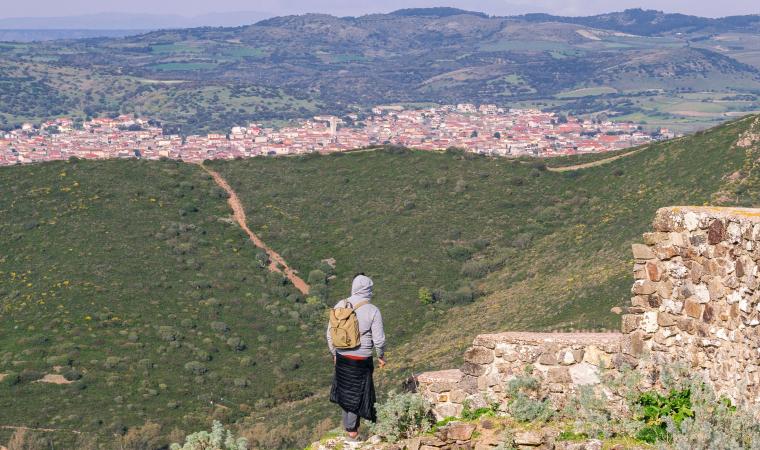
Volunteers and students will be on hand to guide you on a journey through beauty spanning millennia — reaching back to the most distant past, among the remnants of ancient civilisations. These are places of yesterday and today, where memory and ideas for the future coexist in perfect harmony. A priceless material (and immaterial) heritage unfolds across 85 municipalities, and the event continues to grow beyond the island: 19 Italian regions are involved, with 23 municipalities on the mainland. Two Sardinian towns are joining for the very first time: Buddusò, nestled on a plateau in the Monte Acuto uplands and surrounded by granite quarries and remarkable archaeological sites, is also well known to motorsport enthusiasts as one of the most spectacular stages of the Rally Italia Sardegna. In Ogliastra, Monumenti Aperti welcomes Ulassai for the first time — a name inextricably linked to that of Maria Lai. Thanks to her visionary legacy, the town has become an open-air museum, enriched by the Stazione dell'Arte and a landscape brimming with natural wonders.
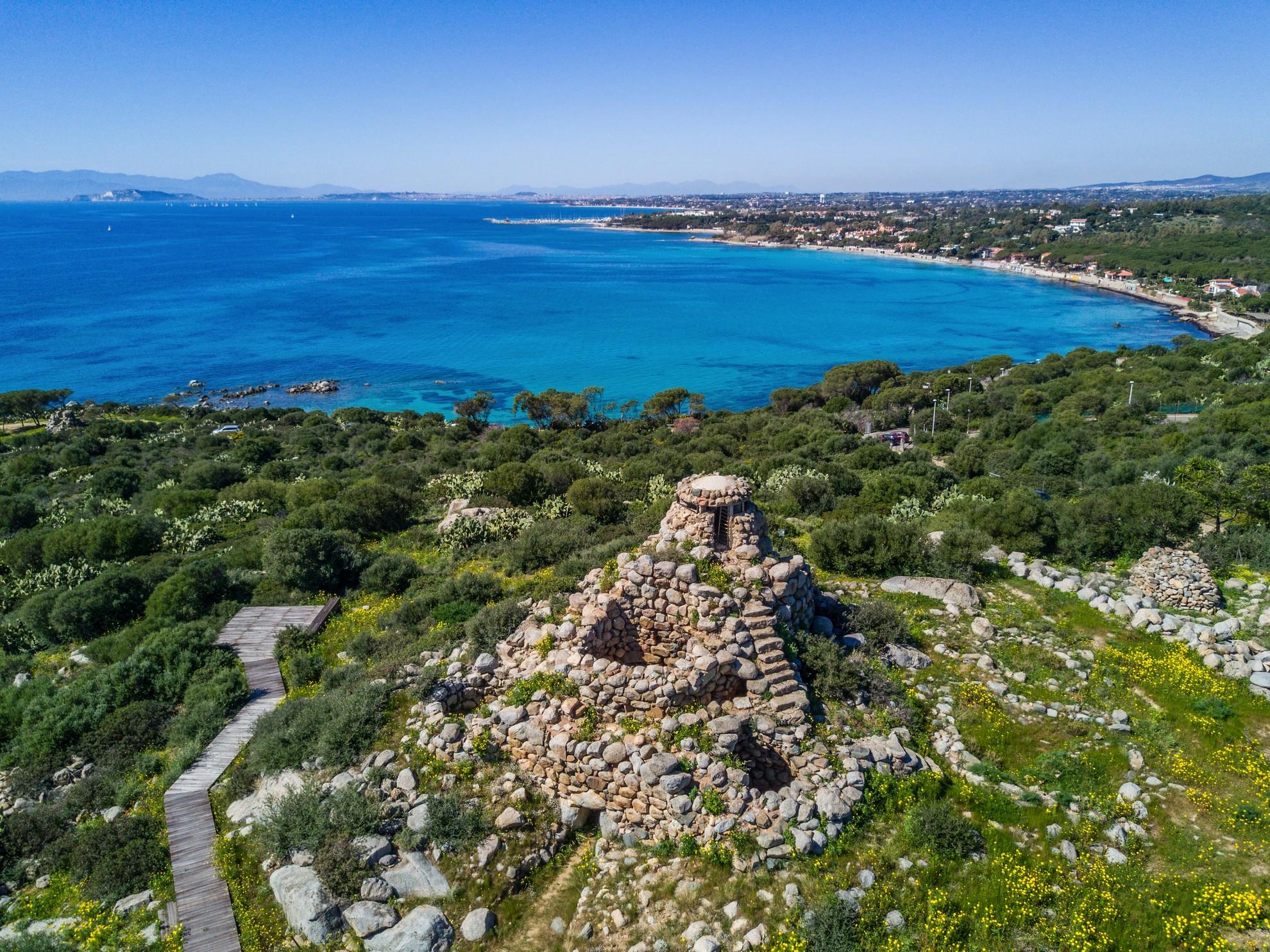
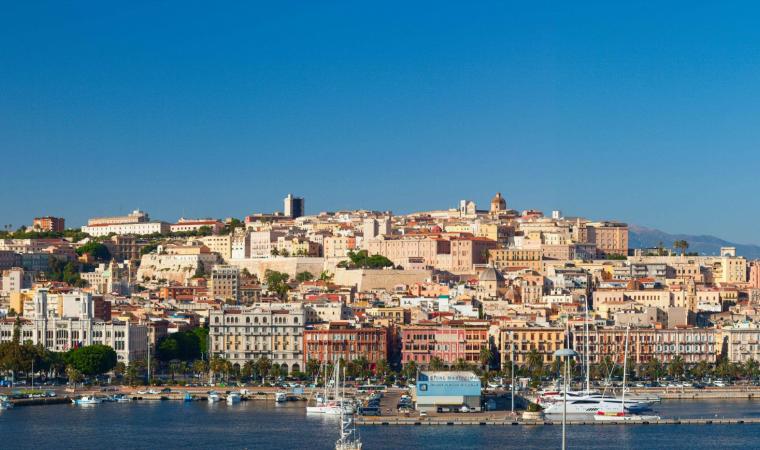
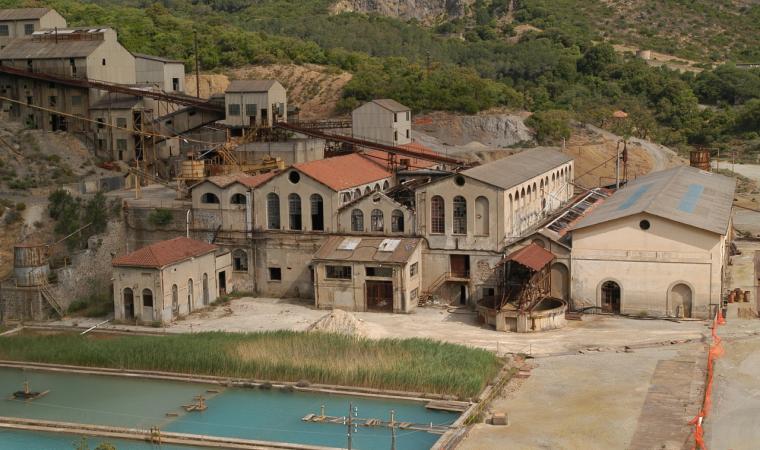
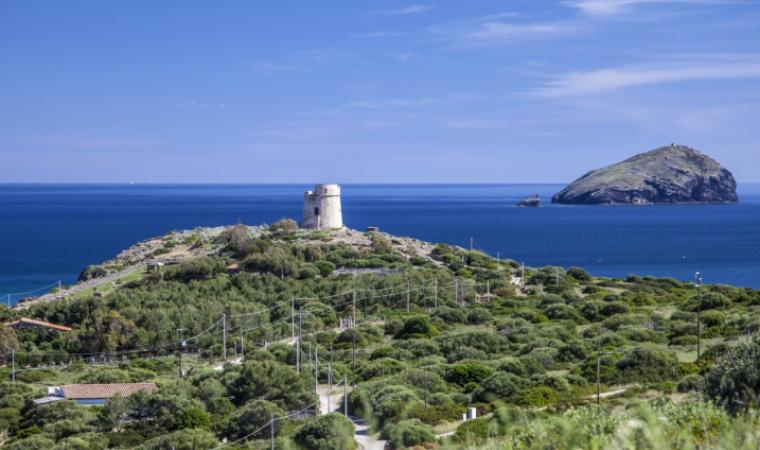
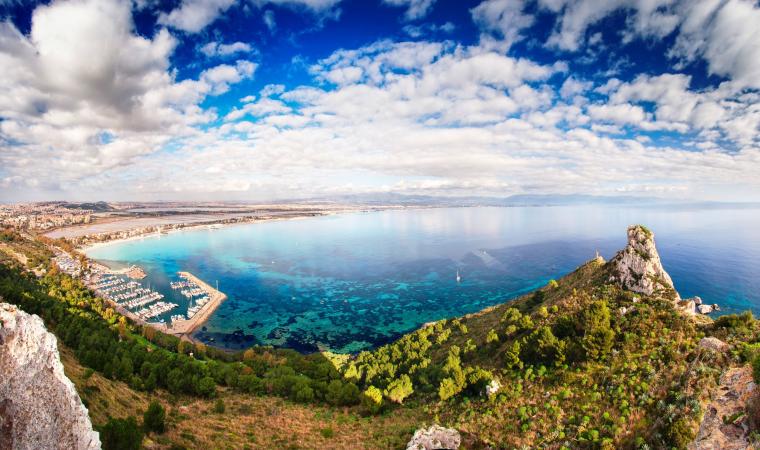
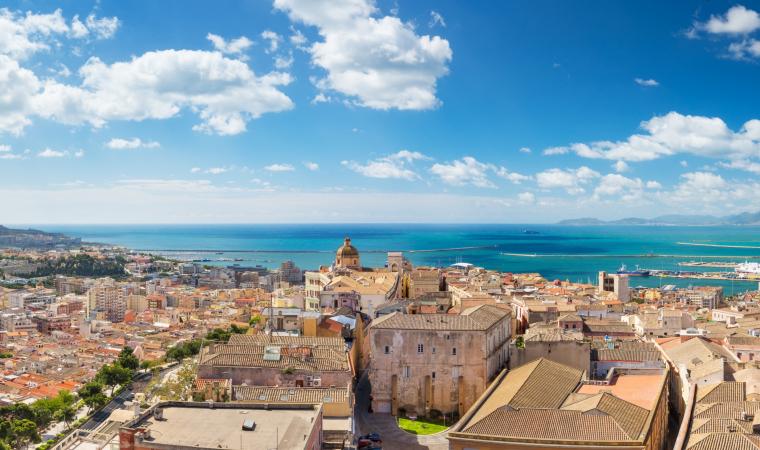
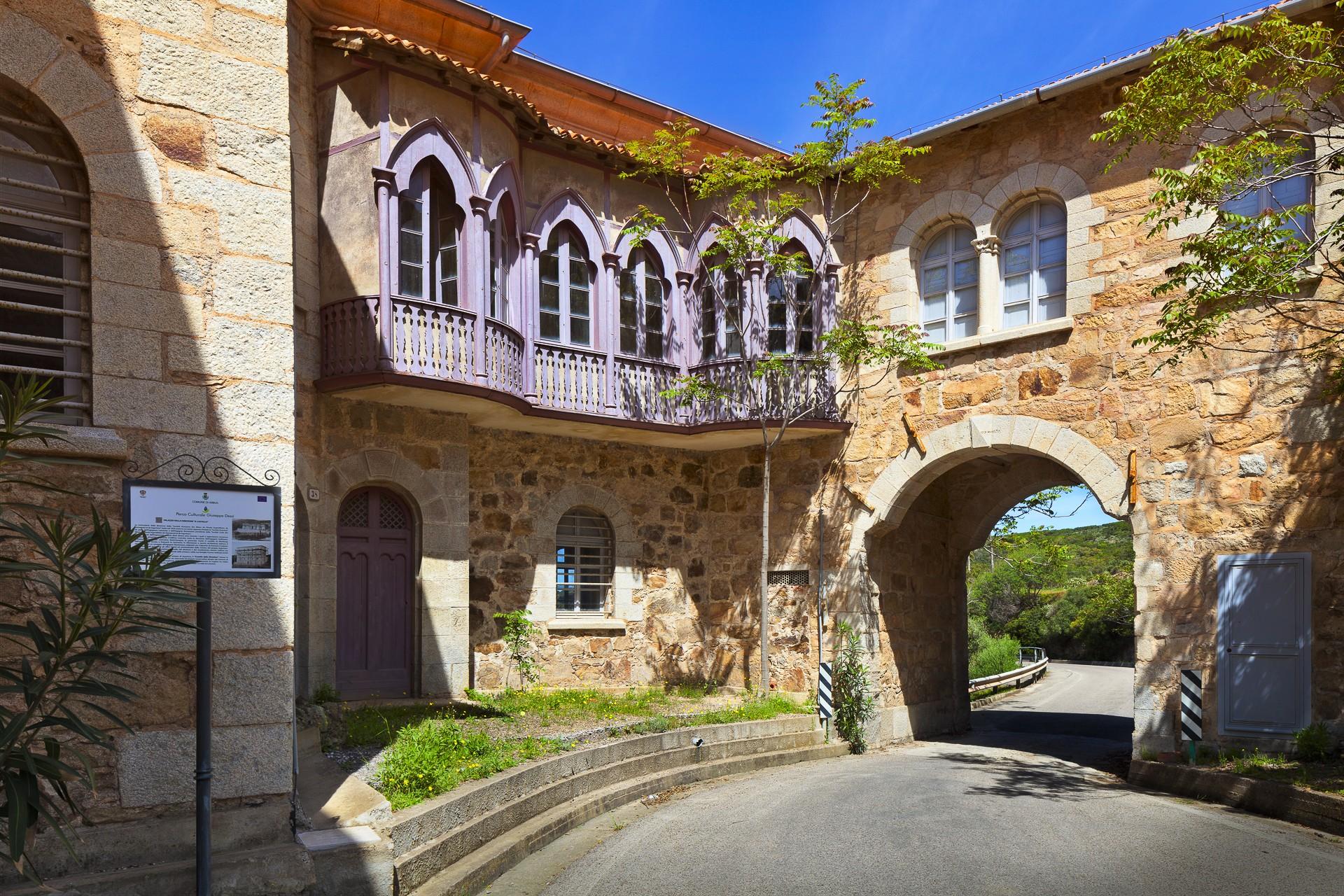
No celebration of this kind would be complete without the regional capital. Cagliari displays evidence of thousand-year old events, from its Phoenician roots to the Roman traces, going through medieval fortifications up to its most recent buildings, which have been stylishly set into the city's layout. The Cagliari hinterland offers a wealth of treasures too: Capoterra, Monastir, Quartu Sant'Elena, Selargius, Sestu and Settimo San Pietro will welcome visitors with historic buildings, sanctuaries, and archaeological sites such as Nuraghe Diana, the “sentinel” standing watch over Quartu’s coastline. Moving into the Medio Campidano area, Samassi, San Gavino Monreale, and Sanluri will add their stories to the journey. Towards West, you will dive into sceneries enriched by woods, waterfalls and abandoned mining villages in Arbus, Guspini and Villacidro.
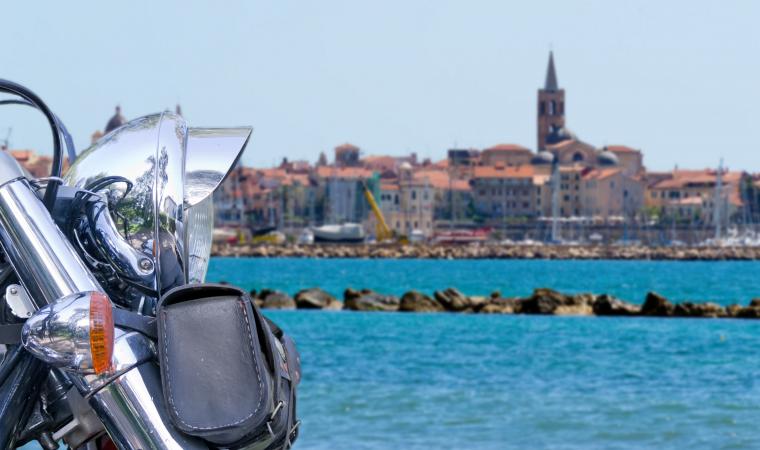
Sometimes culture rhymes with landscape, as among the romantic bastions of Alghero. Near the 'Catalan' city, you’ll discover mysterious and fascinating legacies from the pre-Nuragic and Nuragic past. In Sassari, meanwhile, you'll uncover museums, churches and historic buildings set amid the lush greenery of the city's parks. The Sulcis-Iglesiente stays true to its character, with an itinerary winding between sea and former mines: Carbonia, Iglesias, Narcao, Nuxis and Sant'Anna Arresi are joined by the island's jewels, Sant'Antioco and Carloforte. And for those drawn by the sea, Pula, Sarroch, Teulada and Villasimius also open their doors, while Ogliastra is represented by Tortolì and Triei and the Gerrei by Escalaplano.

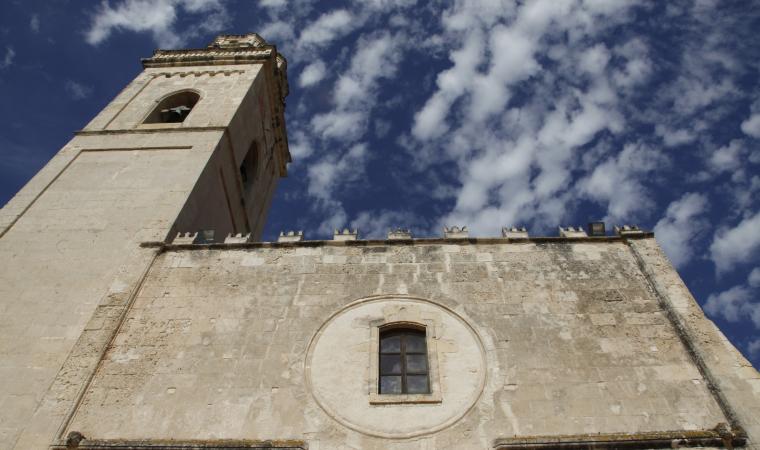
Nature takes centre stage in Marmilla too, with Genuri, Lunamatrona, Segariu, Siddi and Tuili all participating, the latter home to the magnificent altarpiece of the Church of San Pietro. A short distance to the west, you will embark on an exciting travel back in time, in Sardara. Here, the Nuragic Age is represented by the sanctuary of Sant'Anastasia, and the historical evidence found in its territory up to the Middle Ages is on display in the Villa Abbas museum. Oristano shows its Judicial past, while the surrounding area reveals hidden gems at Ales, Ardauli, Marrubiu, Mogoro and Terralba. Travelling north along the western coast, Bosa is an unmissable stop, with its imposing Castello di Serravalle, ancient tanneries and historic churches. On the western slopes of the Montiferru, Cuglieri stands out with its former Capuchin convent and the Basilica di Santa Maria della Neve.
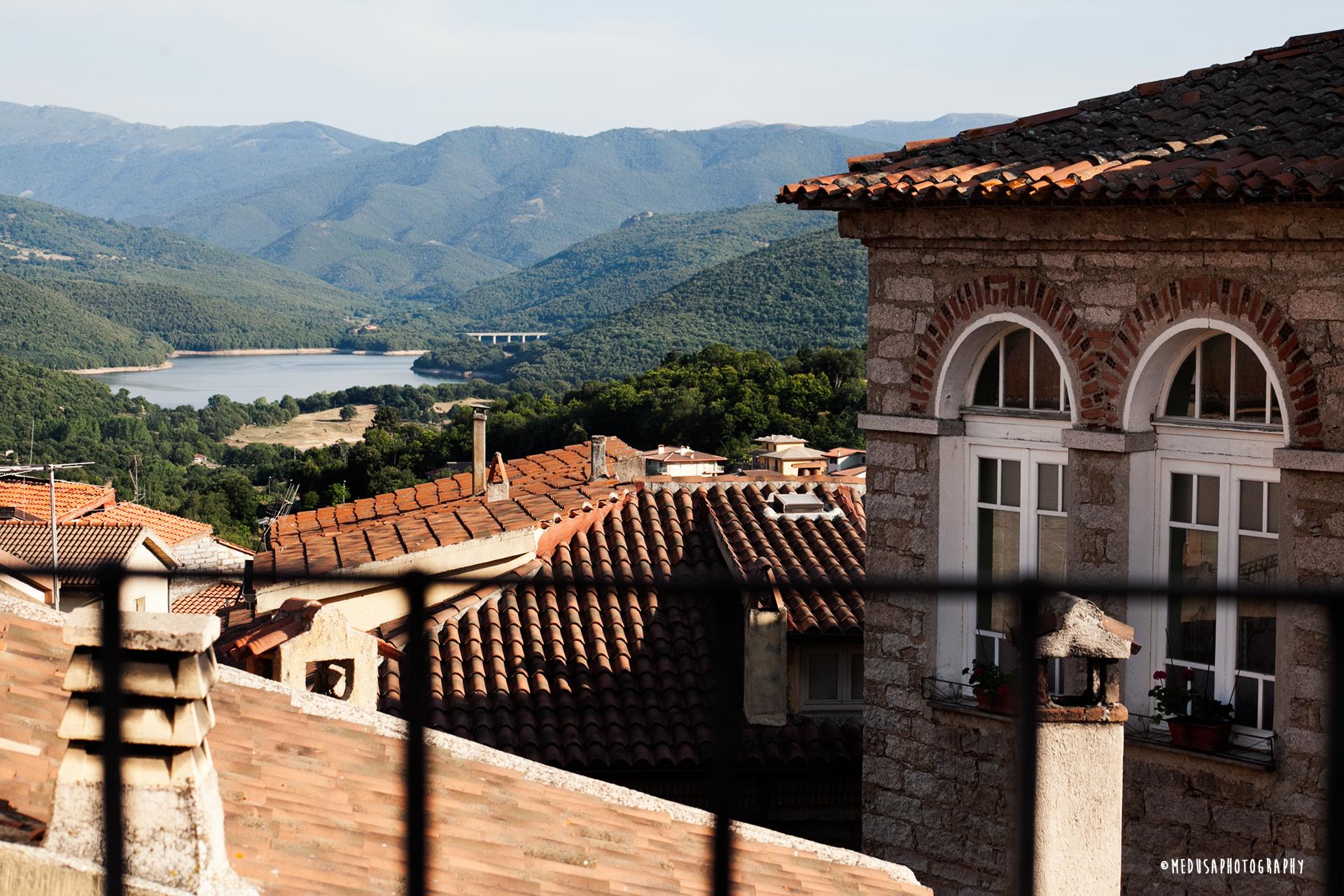
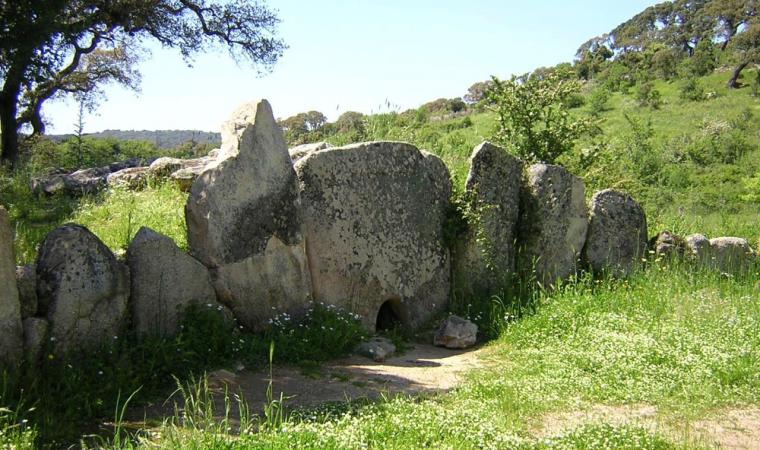
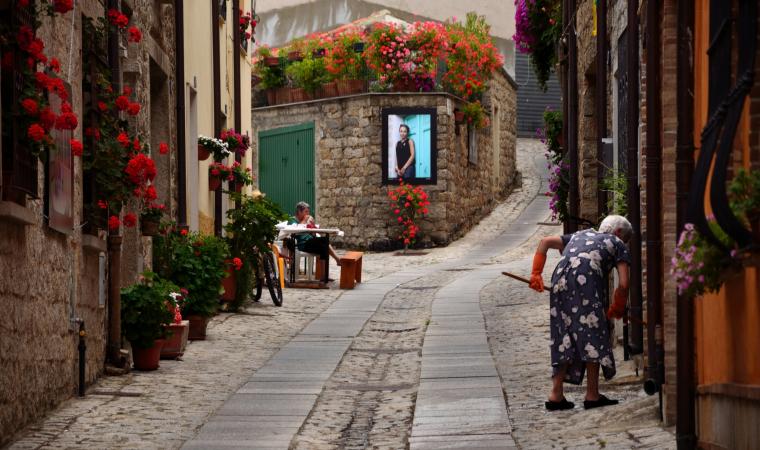
Charming atmospheres and intense fascination are the trademarks of the inner villages, where cultural heritage and centuries-old traditions come along with handcraft and culinary excellences. This happens in Nuoro and Aritzo. On the edge between the Supramonte peaks and the sea of the Gulf of Orosei lie the monuments of Dorgali. In Logudoro you will explore the treasures of Monteleone Rocca Doria, Padria and Ploaghe. The task of representing Gallura falls to Oschiri and the celebrated 'capital' of the Costa Smeralda, Arzachena, where the megalithic circles of Li Muri are simply not to be missed. Around Sassari, the charming blend of nature, culture, and history comes to life, symbolized by Chiaramonti with the remains of the Doria castle, and joined by Ittiri, Ossi, Ozieri, Porto Torres, Stintino and Usini, each make a compelling case for exploration.