Flavours of bread
They taste just as good as they used to, and are always different, for every occasion and every place
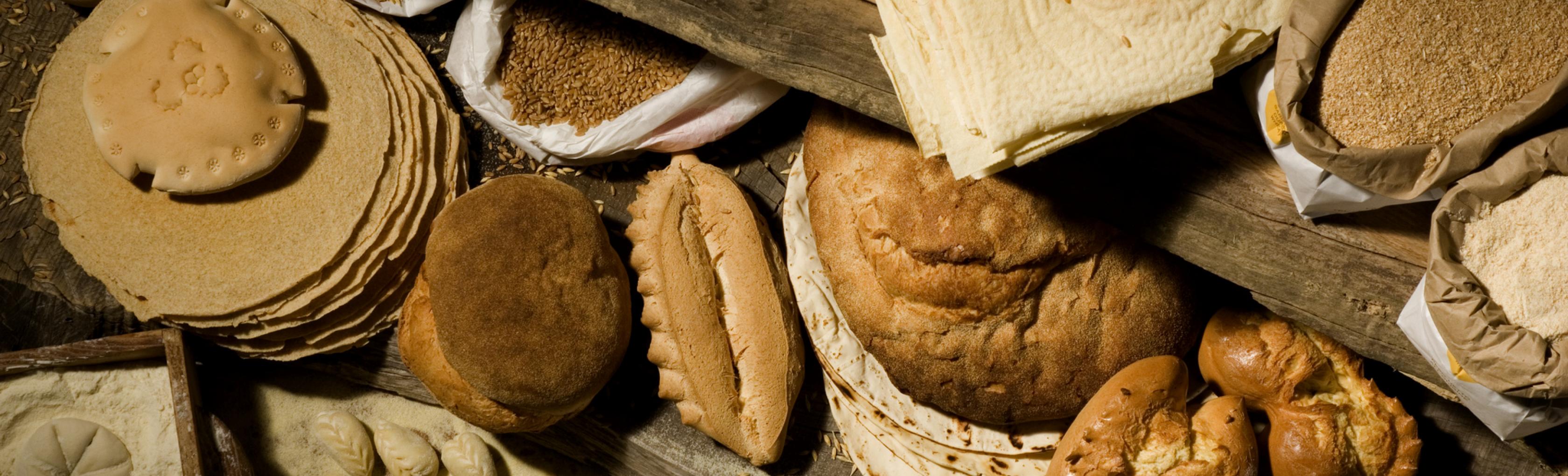
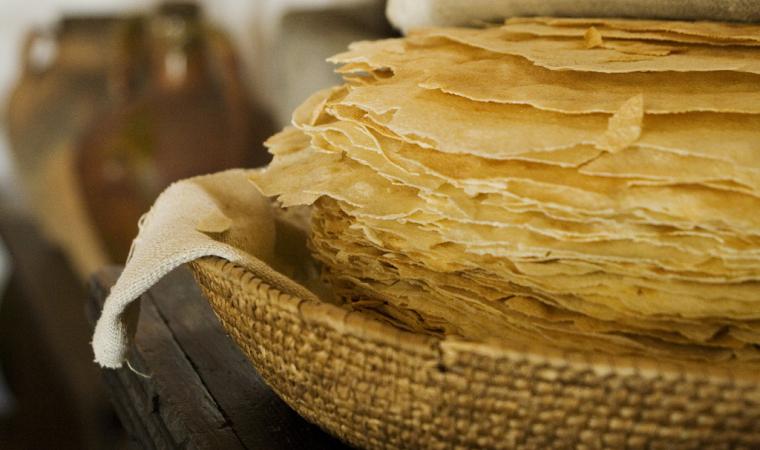
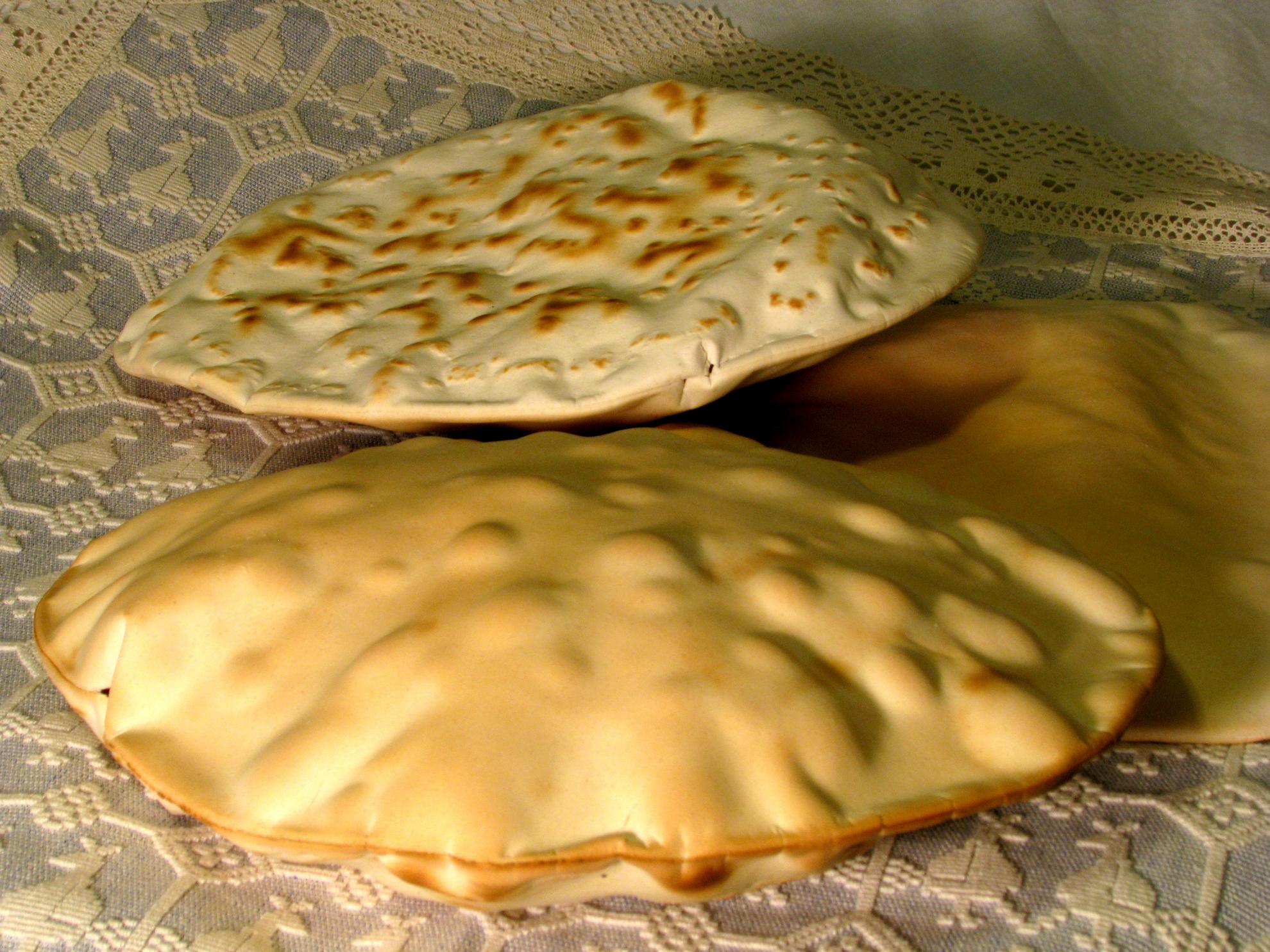
The same thing always comes to mind: Sardinia is like a small continent. Everything changes from place to place, even bread, the simplest food in the world, is always different here. The most famous is carasau, the music paper with large, round, very thin discs that seem to make musical sounds. They make it in Barbagia but even there it is not always the same: in Ollolai it is called pane 'ine with smaller sheets, in Orani it is softer and folded on itself and becomes pane lentu or modde, in Mamoiada the dough is made with potatoes.
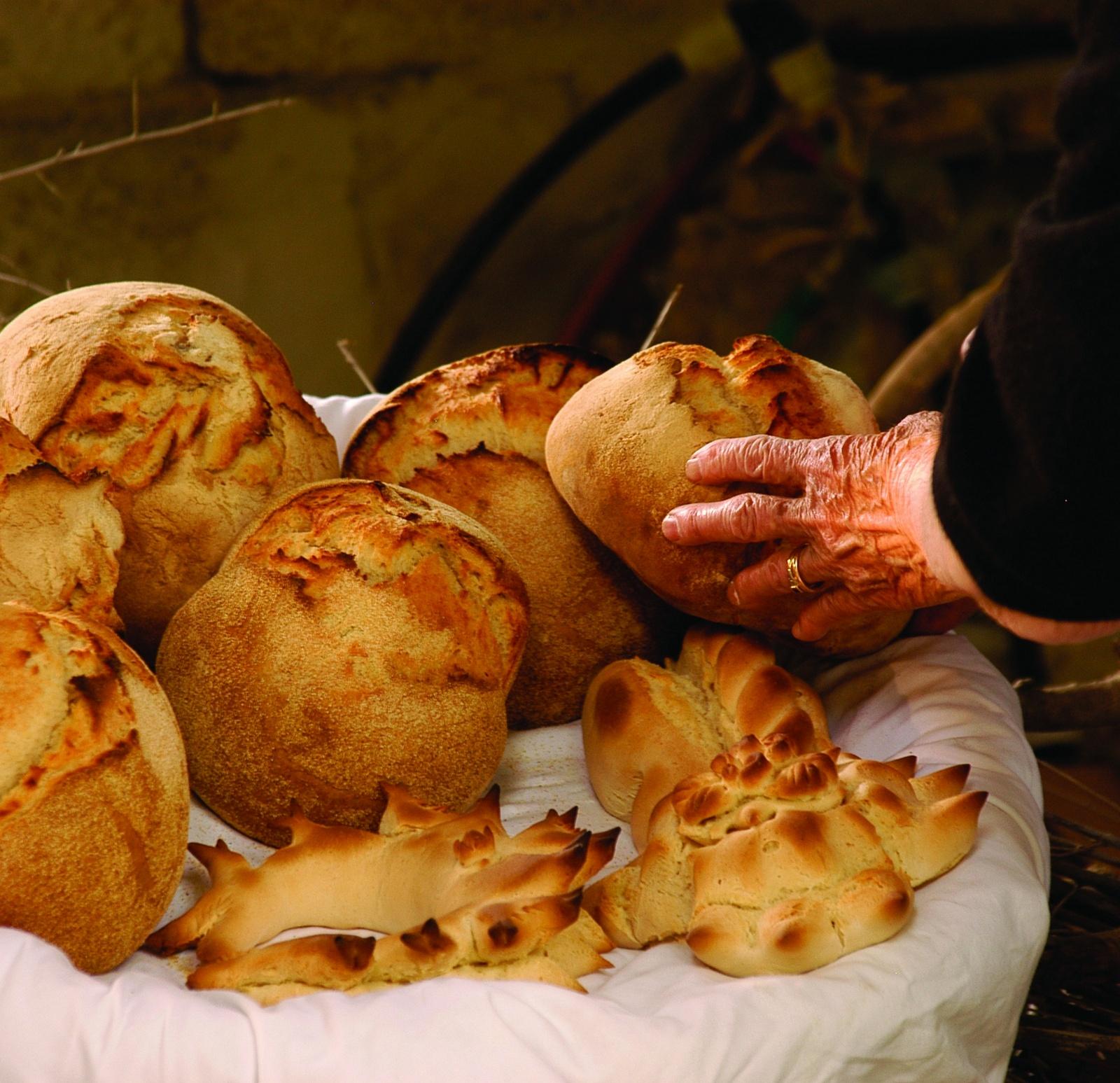
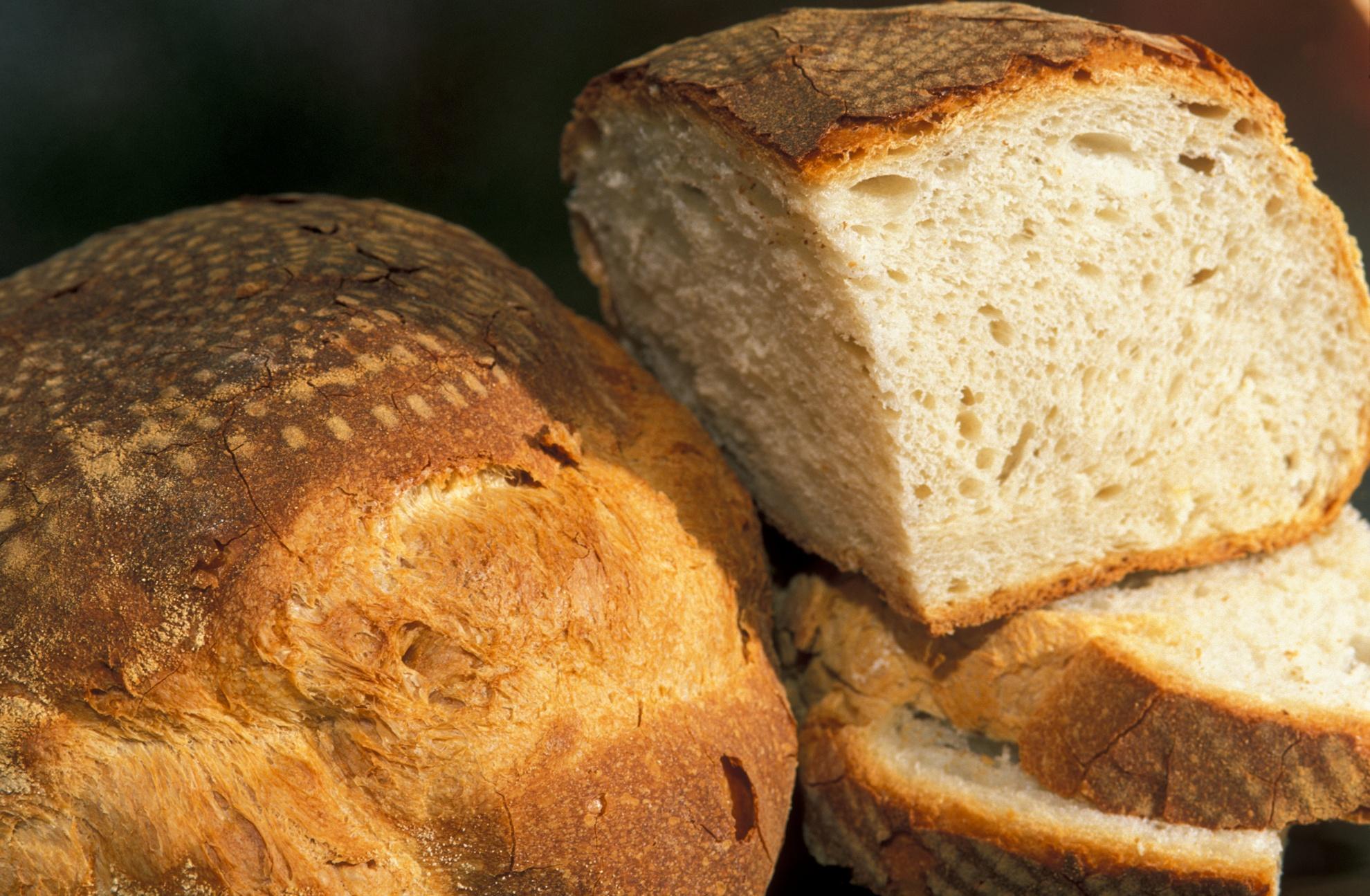
Ogliastra, on the other hand, is home to the smaller, thicker rectangular sheets of pistoccu, the bread favoured by shepherds for its freshness even months and months after its double baking. The huge loaves of civraxiu of Sanluri, which in some villages are smaller and become su moddixi or moddizzosu, are best enjoyed fresh from the oven. The large, puffy loaves are popular on the island, a bread that you will find under the name of pane tundu in Thiesi, while in Logudoro it is thinner, long and perforated, called pane segadu, i.e. cut. Its variants in shape and size are sa loriga in the shape of a ring, typical in Villaurbana, and sa moddighina in Tramatza. And then there are the spianate (flat breads): the most famous is that of Ozieri, with its inevitable variations, while in Busachi and Bonorva it is called su zichi, and in Logudoro sa fresa.

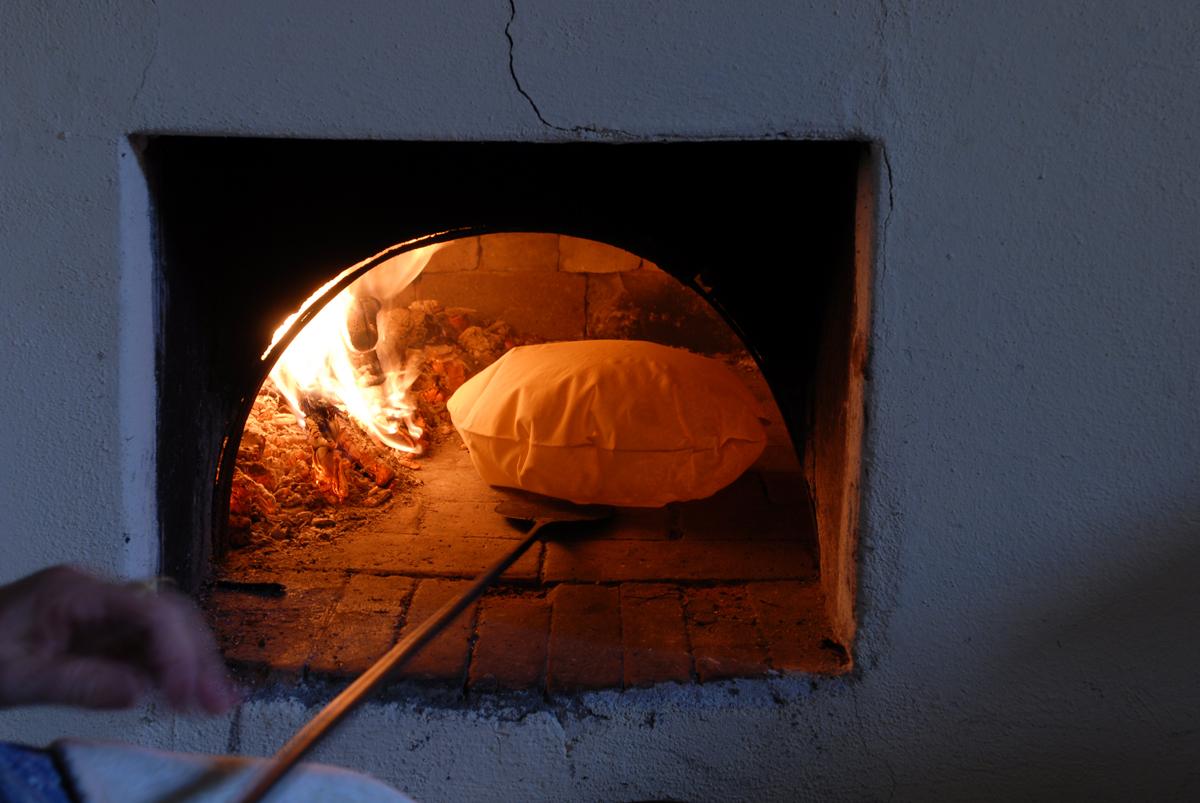
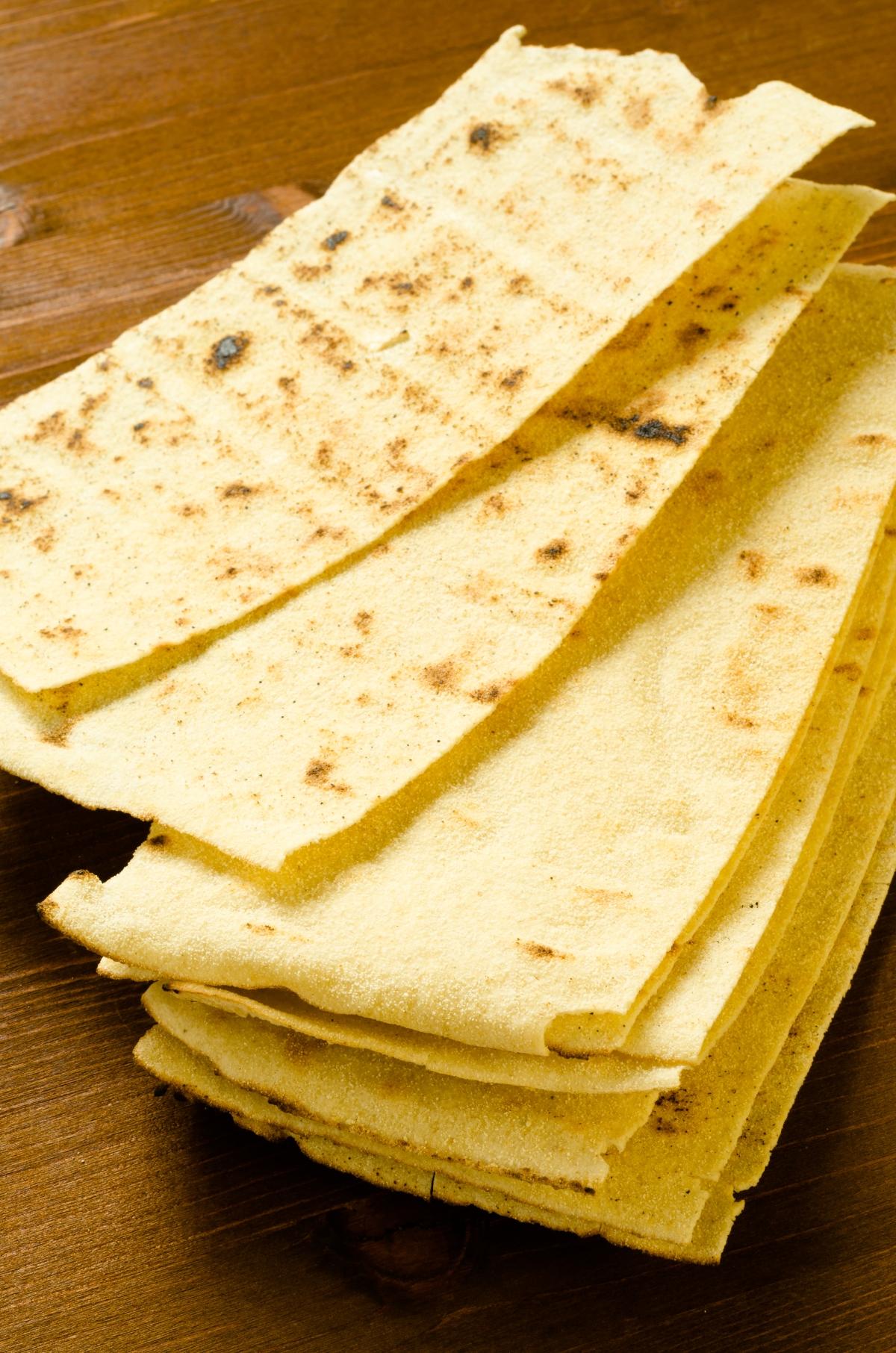
The same steps and the same ingredients: durum wheat flour kneaded by hand with water and salt, slow rising with sourdough from previous bakes, baking in a wood-fired oven in two stages for dry breads such as pistoccu and su carasau. They can be eaten dry or softened in water to accompany prosciutto, pancetta, guanciale, pecorino and casu axedu cheese, and can become the very tasty guttiau if toasted with oil and salt. They are also the basis for traditional first courses such as su pane frattau: tomato sauce and pecorino cheese are layered on top of the sheets of bread soaked in hot broth, and a poached egg is placed in the last layer. Easy-to-make and tasty recipes such as the suppa cuata from Gallura, made from slices of semolina bread at least three days old.
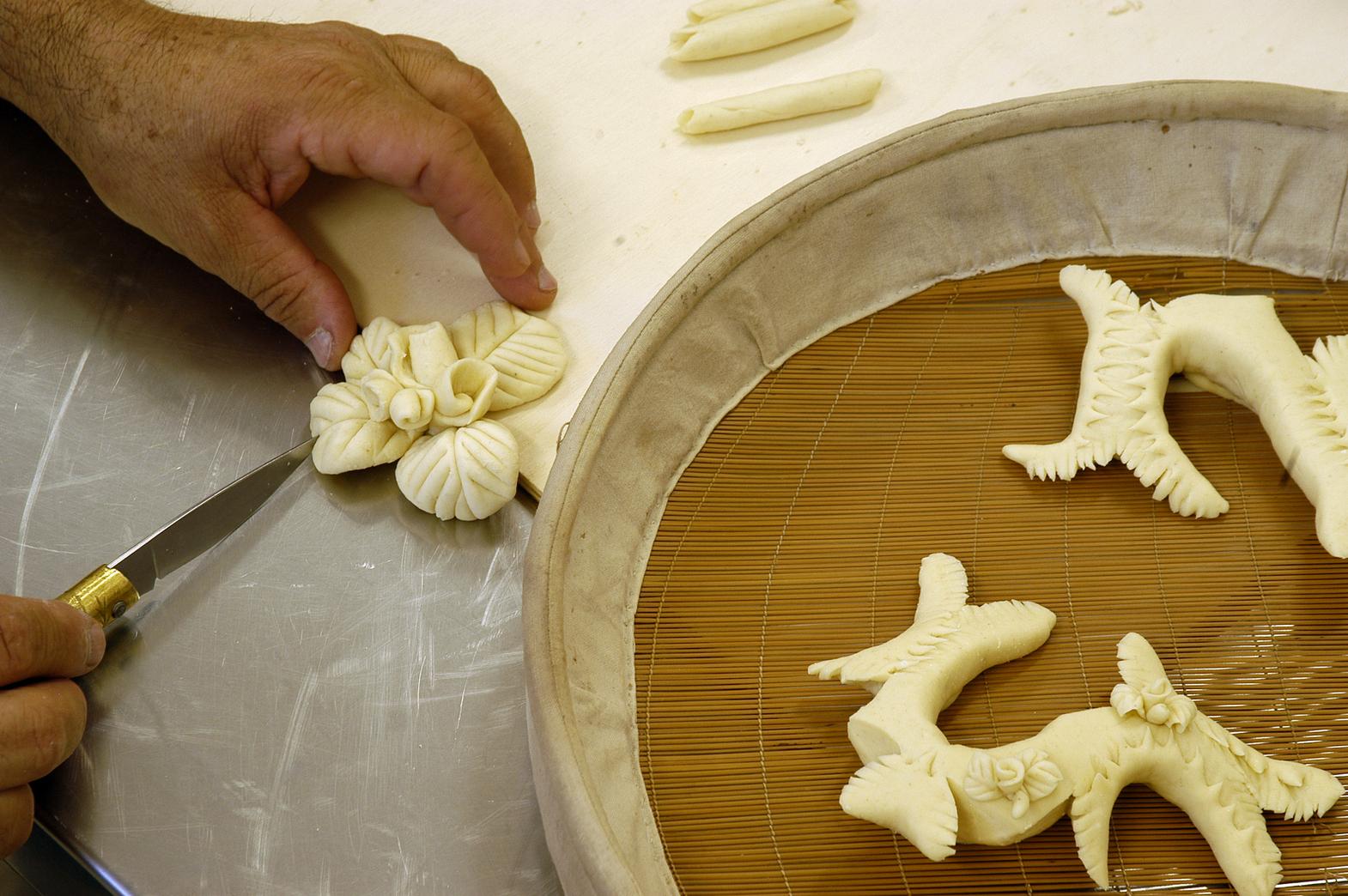
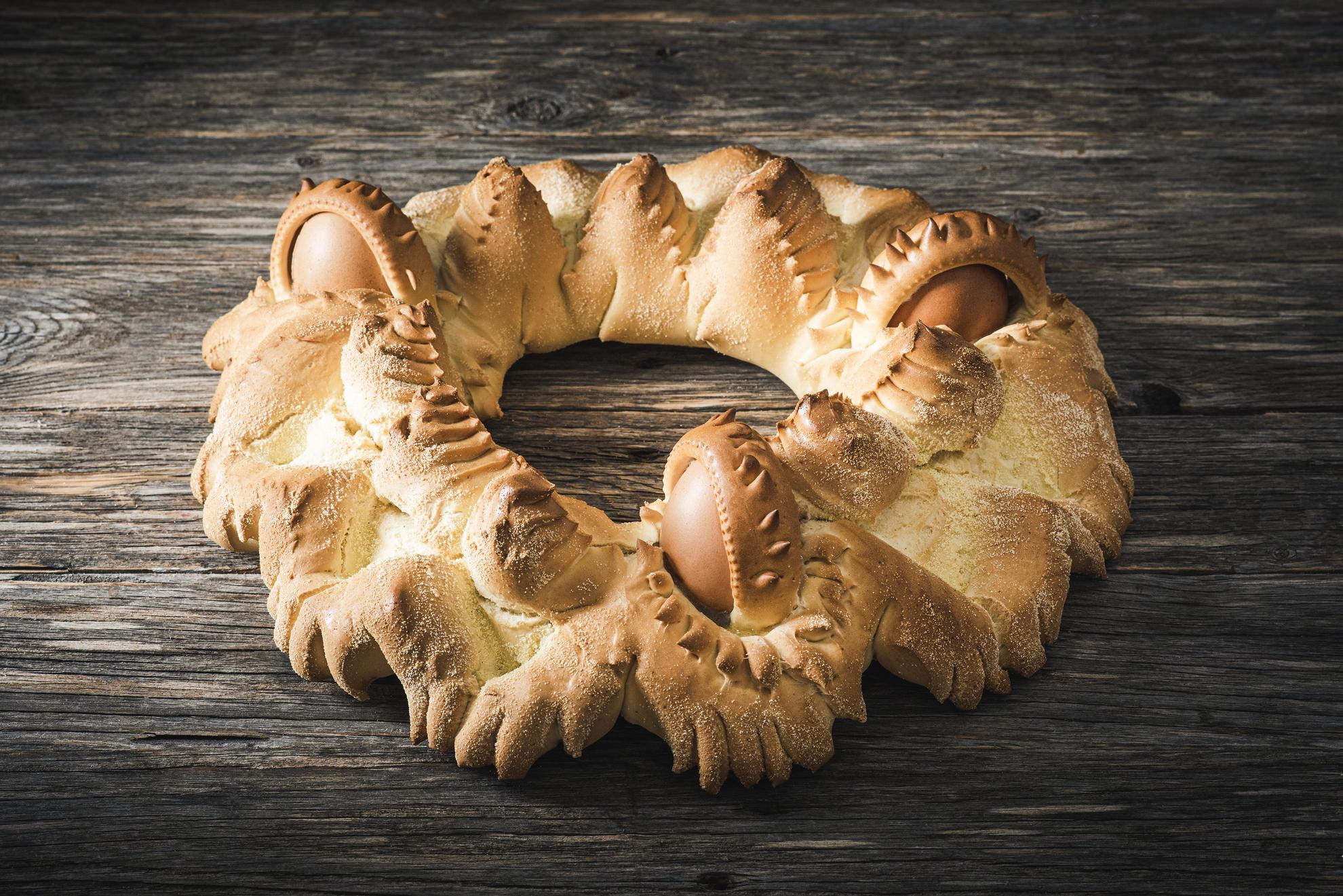
‘Special' breads are also prepared on special occasions. Making the bread was and still is a community ritual for the women of the family, which also involve neighbours. Children and adults alike all have a specific role based on experience and talent: the most gifted decorate su coccoi, special semolina bread. The most common is 'leafy' or crested like is coccois de pitzus, prepared exclusively for festivals with decorations inspired by nature (pomegranate, bouquets of flowers, fish, birds, turtles). Then there are the coccoi for the children: they are shaped like necklaces, keys, animals. Every holiday in Sardinia has its own bread: at Easter, su coccoi cun s'ou with a boiled egg is baked, at New Year's su candelariu and sa pertussita. Sa cozzula, in the shape of a crown, is served in church for weddings, while sas coccas are the flatbreads of the Nuoro ferragosto. The rich tradition of bread-making and the many different types of bread decorated as true works of art can be seen in the bread museums in Arzachena, Borore, Monteleone Roccadoria, Pompu, Sanluri, Siddi and in Olmedo, where the bread nativity scene is set up.